
FORD FIESTA REPAIR SERVICES
FIESTA
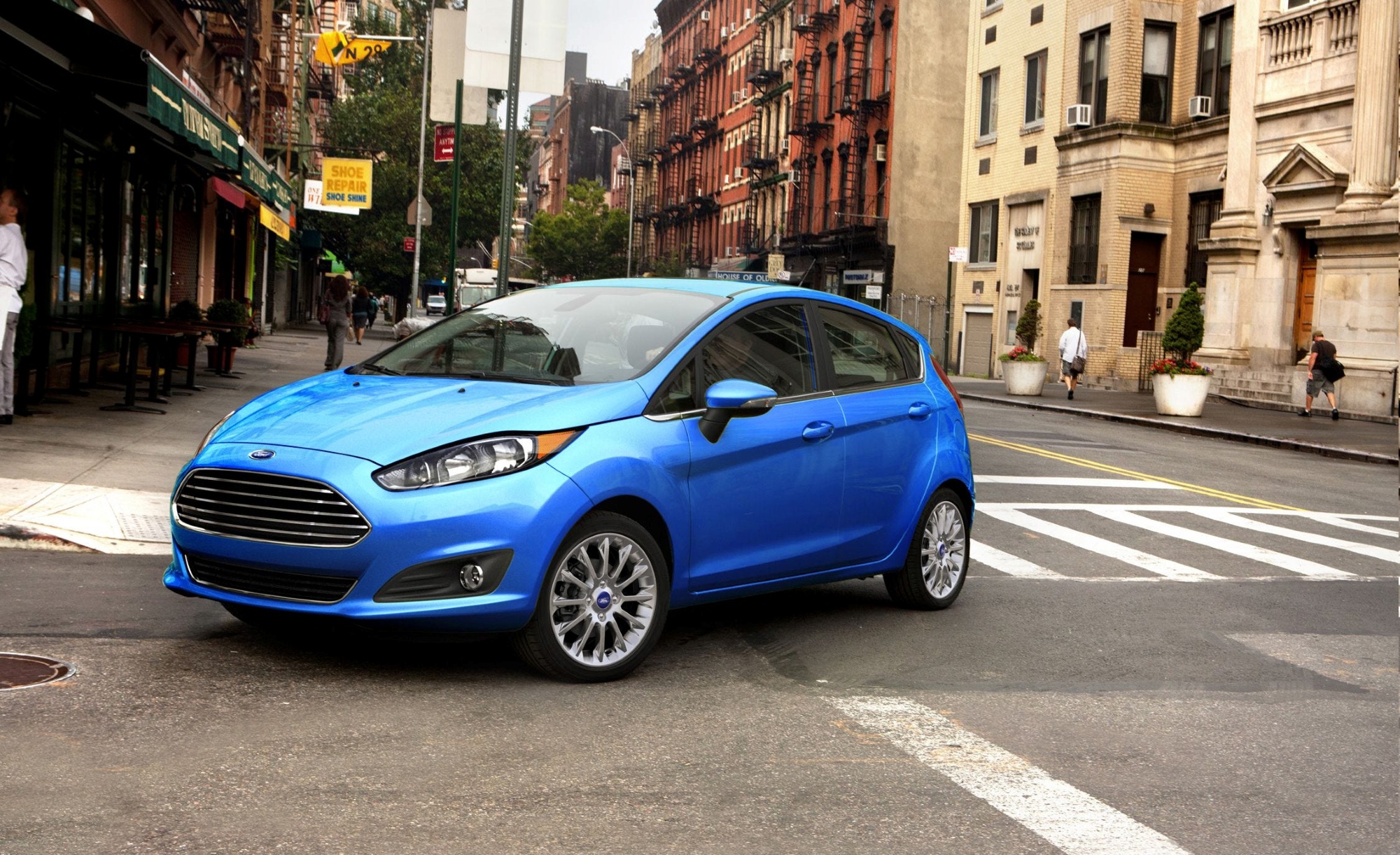
 We’re a top rated local Ford Fiesta Brake repair services shop in Fremont, CA. We also serve the greater East Bay Area, including Newark, Union City, Milpitas, and Sunol. A Ford Fiesta is light, nimble, and very honest about its condition, especially through the brake pedal. Small changes in pad grip, rotor condition, and rear drum behavior show up quickly as new noises or different pedal travel. At Fremont Foreign Auto in Fremont, CA, we treat those changes as data instead of background noise. When your Fiesta stops differently than it used to, something in the system has already moved away from how it was designed to work.
REQUEST A CALLBACK
Get Started
Full Synthetic Oil Change
Motor oil and the parts needed for your oil change vary in price from vehicle to vehicle. Please call for an exact price quote for your vehicle make and model. Our technicians are trained to service just about every make and model vehicle, from engine repair to oil changes.
Our technicians are highly skilled and experienced with just about every vehicle make and model. If your check engine light is on, you can bring it to our shop and we'll diagnose what's wrong with it. Any authorized diagnostic will be applied toward the cost of your repair, a $200.00 value.
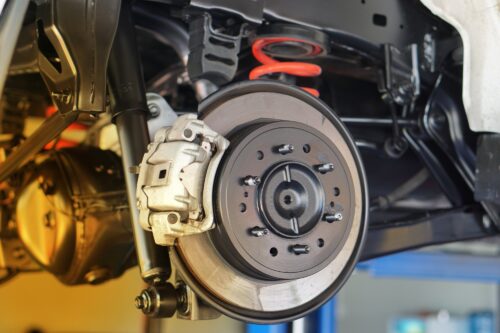 Front Brakes Doing Heavy Work On A Light Car
Because the Fiesta is light, the front brakes carry a big share of the stopping load, especially in Fremont’s start and stop traffic. Pads on many 2011–2019 Fiesta models wear faster than drivers expect, and the rotors develop shallow grooves that you cannot see from outside the wheel. You might feel a slightly longer stop or a faint growl during slow braking. We pull the front wheels, measure pad thickness, check for tapered wear, and run a fingertip across the rotor surface to feel exactly how the friction layer has changed. That inspection tells us whether you are early, late, or right on time for front brake work.
Rear Drums That Drift Out Of Adjustment
Many Fiesta trims run rear drum brakes that quietly fall out of adjustment long before they make any obvious noise. When that happens, the rear contributes less, and the front brakes end up doing nearly everything. Drivers notice more pedal travel, extra front dive, and sometimes a slight hop from the back over sharp bumps. In the bay, we remove the drums, check shoe lining thickness, inspect the contact surfaces, and free up the adjuster so it can track wear correctly again. Once the rear drums pull their weight, the whole car stops flatter and more predictably.
Caliper Slides That Stick And Eat Inner Pads
Sticking front caliper slides are extremely common on smaller cars like the Fiesta that see tight city turns and frequent short trips. When the slide pins dry out or corrode, the caliper does not release evenly, and the inner pad often wears out much faster than the outer. You might smell hot friction after parking or notice one wheel collecting more dust than the others. We remove the pins, clean the bores, inspect the rubber boots, and use proper high temperature lubricant so the caliper can move freely again. That small service keeps pad wear even and stops one side from running hotter than the other.
ABS Sensors And Tone Rings That Hate Rust And Debris
On Fiesta models with ABS, each wheel speed sensor reads a toothed tone ring or integrated hub encoder to report rotation speed. Corrosion, packed debris, or damaged teeth can distort that signal and trigger traction lights, strange low speed pulses, or early ABS activation when surfaces are dry. We connect a scan tool, read live wheel speed data during a controlled road test, and then visually inspect each sensor and ring for cracks, missing segments, or rust buildup. Cleaning or replacing the faulty component gives the ABS system clean information again and restores consistent brake behavior.
Pedal Feel Telling The Truth About Fluid And Hoses
Brake fluid in a Fiesta absorbs moisture over time, which lowers its boiling point and makes pedal feel change under heat. A pedal that feels soft, spongy, or slowly sinks at a light often indicates air in the system, aged fluid, or a developing leak in a hose or cylinder. We examine fluid color and level, look closely at each flexible hose and caliper seal, and pressure test the system while watching how the pedal responds. Once the hydraulic side is sealed and flushed correctly, the pedal gains a firm, repeatable feel that does not surprise you in traffic.
Hardware, Pad Material, And The Squeal
Many Fiesta owners complain most about noise rather than outright stopping power, especially after quick pad replacements that reused tired hardware. Cheap pad compounds, worn shims, and weak anti rattle clips combine to create high pitched squeals during light braking, even when there is plenty of material left. We inspect the hardware kit, pad backing plates, and contact points on the caliper bracket, then choose a pad material that suits how you actually drive around Fremont. When friction material and hardware are matched correctly, the brakes feel confident and the car finally stops without announcing every intersection.
Keep Your Fiesta Brave Every Time You Brake
A Ford Fiesta should feel alert and controlled, not jumpy or uncertain, whenever you hit the pedal in Fremont traffic. If stops have grown longer, louder, or less predictable, your brakes are already telling you something important. Fremont Foreign Auto in Fremont, CA, turns those symptoms into clear answers and a repair plan that fits how you drive. Call (510) 793-6067 to schedule a Fiesta brake inspection and keep the smallest car on your street stopping with the biggest confidence.