
Tell us the speed at which your 5 Series shakes, then tell us whether it shakes only under braking, only at idle, or only at certain freeway speeds, and we can usually narrow the cause to one or two specific parts before the car even goes up on the lift. Steering wheel vibration sorts itself by when it shows up. A shake at 60 mph that smooths out by 70 is a different problem from a shake under braking, and both differ from a shake felt only at idle. Fremont Foreign Auto is based in Fremont, CA, services Union City regularly, and works the diagnosis backward from the conditions you describe rather than starting with parts.
When the Shake Shows Up Between 55 and 70 mph
Vibration that appears at highway speed and changes with how fast you’re going usually points to tires or wheels. Tire imbalance comes first; a basic spin balance often doesn’t catch the issue, and road force balancing (which measures how the tire loads against the wheel under simulated road force) finds imbalances a regular balance can miss. Bay Area roads have potholes deep enough to bend a 5 Series wheel, and a bent wheel will vibrate at a specific speed regardless of how well it’s balanced. A separated tire belt produces a similar pattern. We measure runout on each wheel and inspect every tire for visible belt separation before recommending any work.
When the Shake Only Happens Under Braking
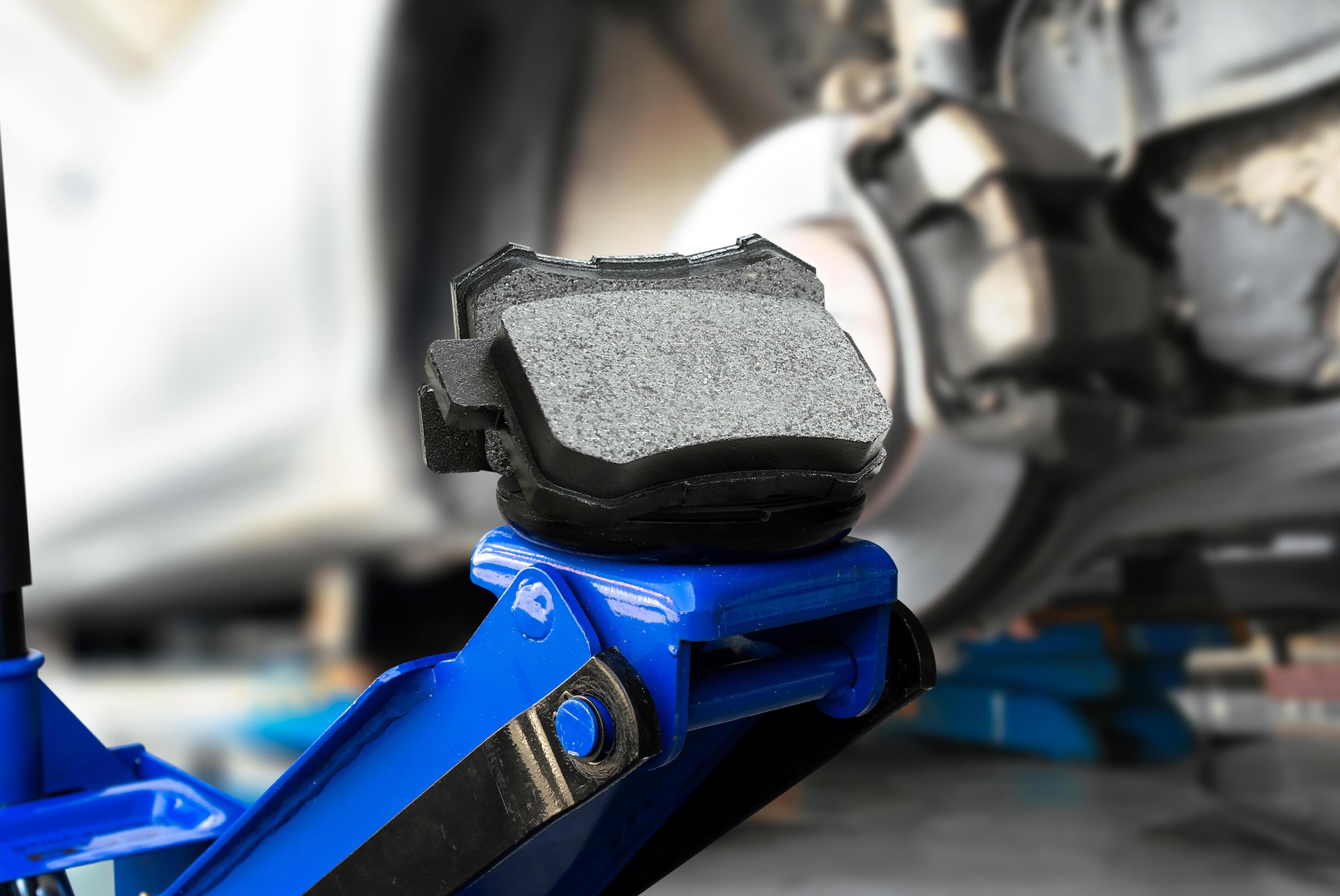
A vibration that shows up only when you press the brake pedal traditionally gets blamed on warped rotors, and warping does happen on the 5 Series. The more common cause in practice is uneven pad material transfer onto the rotor face, where heat cycles have deposited pad material in patches rather than evenly across the surface. The feel through the pedal and steering wheel is identical to warping, and the measurement tells the story. A dial indicator on the rotor face reveals the thickness variation, and from there the call is between resurfacing (rare on BMWs, since the rotors are usually at minimum), replacement, or in some cases an aggressive break-in procedure to re-deposit the pad material evenly.
When the Steering Wheel Buzzes Only at Idle
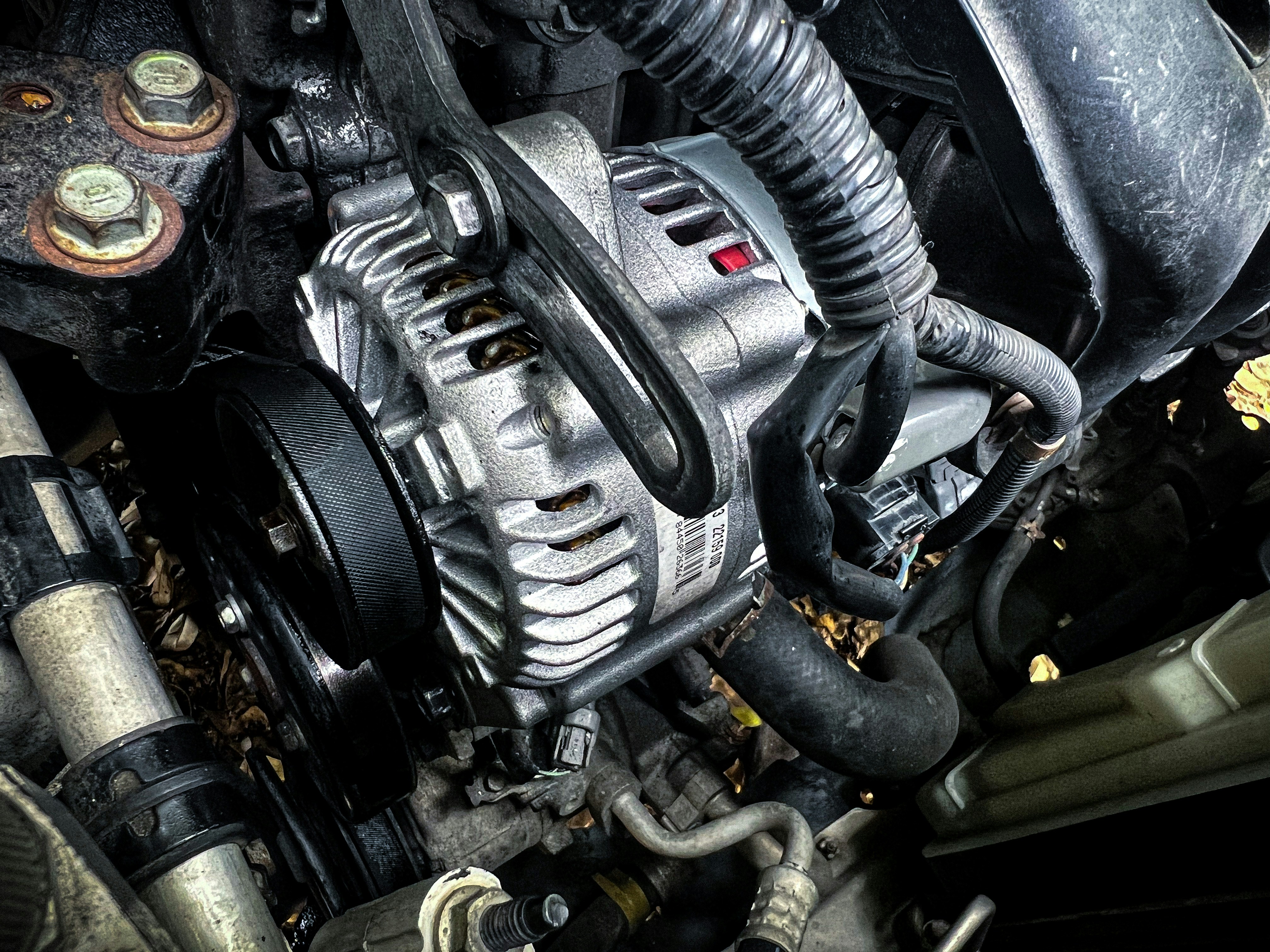
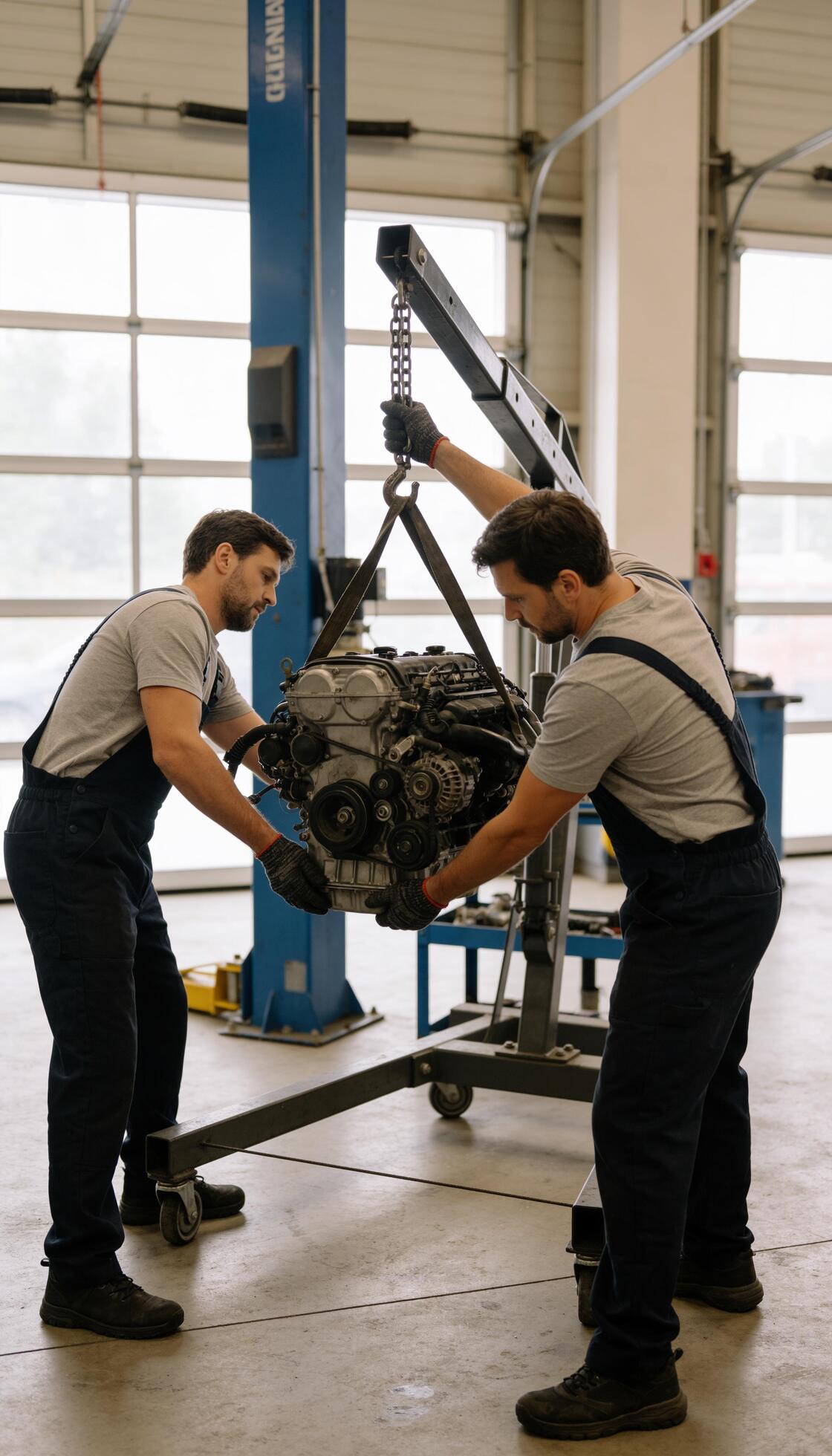
A 5 Series that drives smoothly down the road and vibrates the steering wheel at every stoplight has a problem with the engine mounts. The F10 535i with the N55 inline-six is known for hydraulic engine mount failure after high mileage, where the fluid-filled mounts lose their dampening properties and the engine’s natural vibration transmits straight into the chassis. The diagnostic test takes about thirty seconds: foot firmly on the brake, lightly apply throttle in drive, watch the engine rock against the mounts. Failed mounts let the engine move dramatically; healthy mounts hold it nearly still. The fix is straightforward, and the difference once installed is immediate.
When Tires and Brakes and Mounts All Check Out
Sometimes a 5 Series steering vibration survives a tire balance, a brake job, and a mount inspection because the answer is somewhere else entirely. Front lower control arm bushings on E60 and F10 cars wear gradually, and the thrust arm bushing in particular develops a soft spot that lets the front suspension shift under steering input. The vibration this causes builds slowly enough that drivers blame tires for years. We check the bushings on the lift with a pry bar against each control arm, looking for any visible movement at the bushing rather than at the joint, which is how the failure shows itself.
Bring the Symptoms In and We’ll Match Them to the Source
Call Fremont Foreign Auto at (510) 793-6067 with the speed and conditions your 5 Series is shaking under, and we’ll book the diagnosis around what you describe. Union City customers get the same hands-on workup whether the answer turns out to be a wheel, a rotor, a mount, or a bushing nobody’s checked in years.