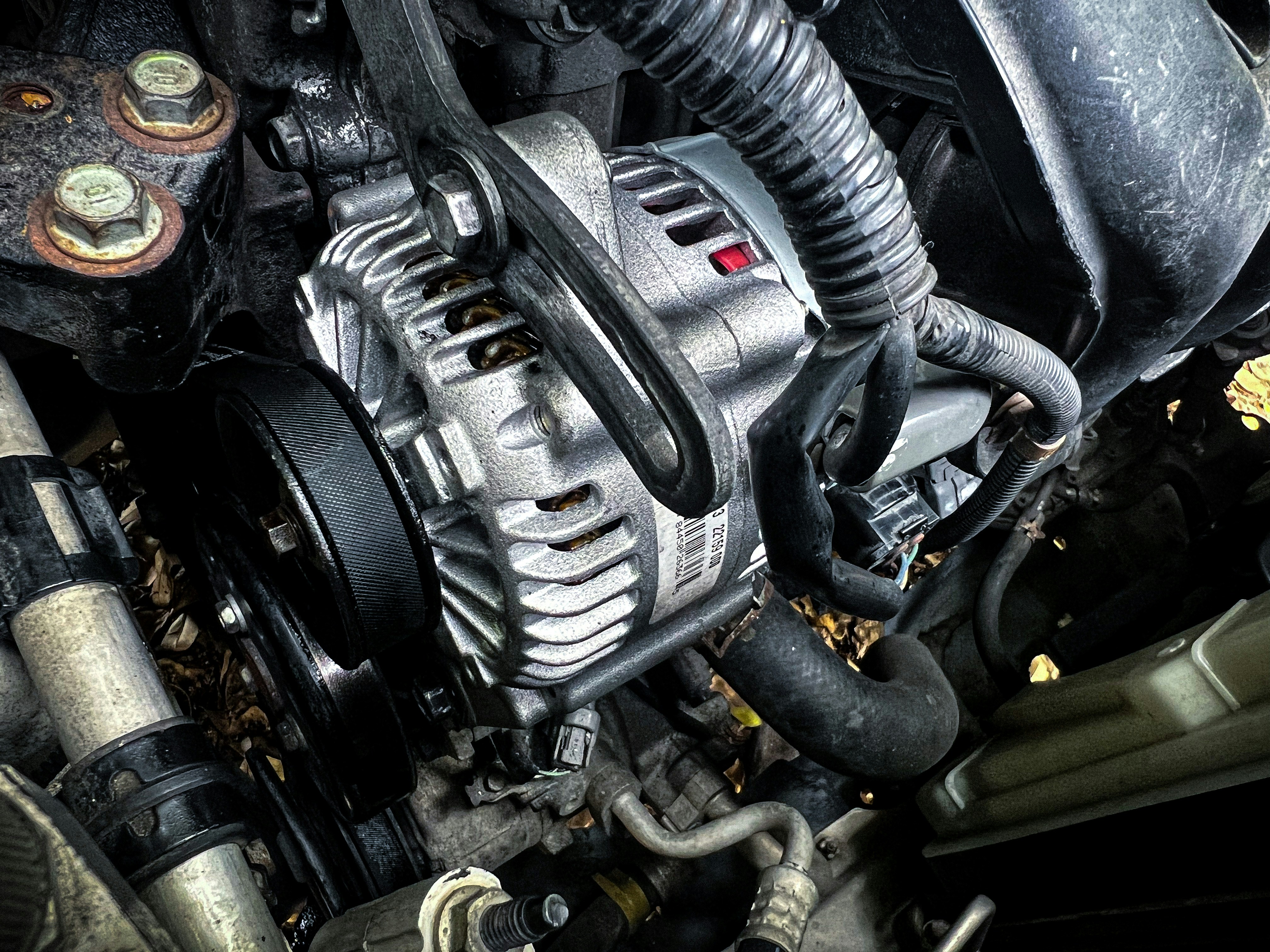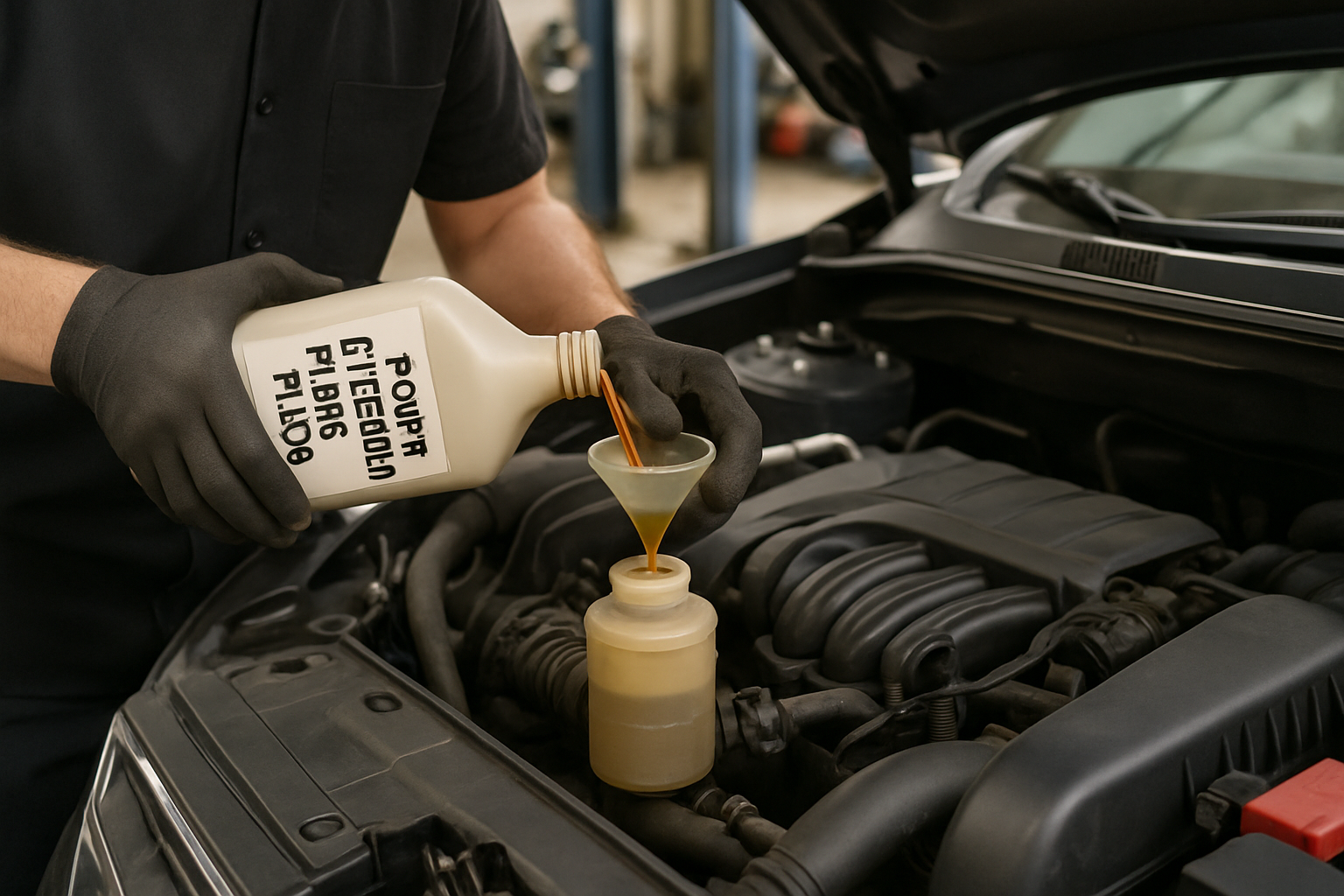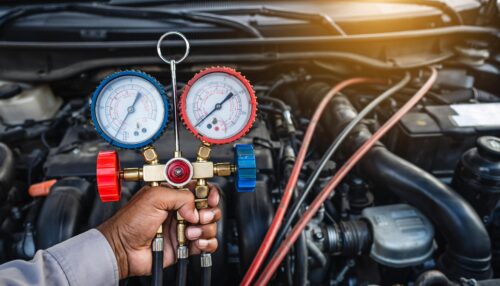
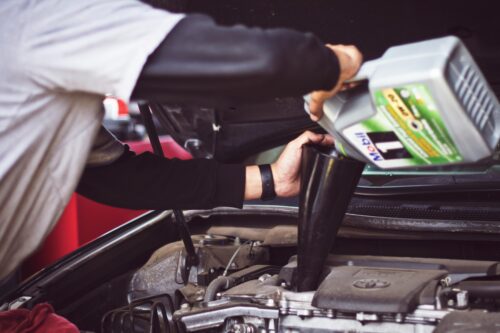
Somewhere along the way, dealers started reassuring Q5 owners that adding a quart of oil between services is the price of owning a modern engine. The statement is defensible for some engines and misleading for the EA888 2.0T in many Q5 model years, where the cause traces back to a documented design issue Audi itself acknowledged through a class-action settlement. A Q5 burning a quart every 3,000 to 4,000 miles deserves a real diagnosis, because three different parts can produce that symptom, and they range from inexpensive to substantial. Fremont Foreign Auto is based in Fremont, CA, serves Union City, and works the diagnosis from cheapest cause to most expensive so that nobody pays for a ring job that the PCV valve would have fixed.
The 2009-2012 Engine That Audi Acknowledged
The EA888 Gen 2 engine in 2011 Q5s, along with 2012-2014 Q5s, has been the subject of class-action settlements where Audi acknowledged piston and piston ring issues that led to excessive oil consumption. The 2014 Asghari settlement covered 2011 Audi Q5 (with the CAEB engine code) along with certain 2009-2011 A4 and A5 models, and a separate 2024 piston settlement (Rieger v. Volkswagen Group of America) covered 2012-2014 Q5s among other Audi models. Settlement coverage included reimbursement for past repairs and extended warranty terms (the 2024 Piston settlement provided coverage up to nine years or 90,000 miles from original in-service date), which means most affected Q5 owners are now past coverage. The EA888 Gen 3 engine introduced for 2015 model year corrected most of the original ring design issues, and consumption rates on those engines dropped to typical levels.
The Cheapest Cause Hides in the PCV Valve
The positive crankcase ventilation valve sits on top of the engine and regulates the flow of crankcase vapors back into the intake to be burned. When the PCV diaphragm fails or sticks open, the system pulls liquid oil mist into the intake along with the vapor, and the engine consumes it through normal combustion. The symptom is identical to ring wear: oil drops between services, no visible leak, no obvious smoke from the exhaust. The repair is straightforward, the part is inexpensive, and a meaningful number of Q5s diagnosed as “burning oil from the rings” turn out to have nothing more wrong than a failed PCV valve. The first test costs nothing beyond a quick functional inspection of the valve’s operation under vacuum.
Turbocharger Seals Sit in the Middle of the Cost Range
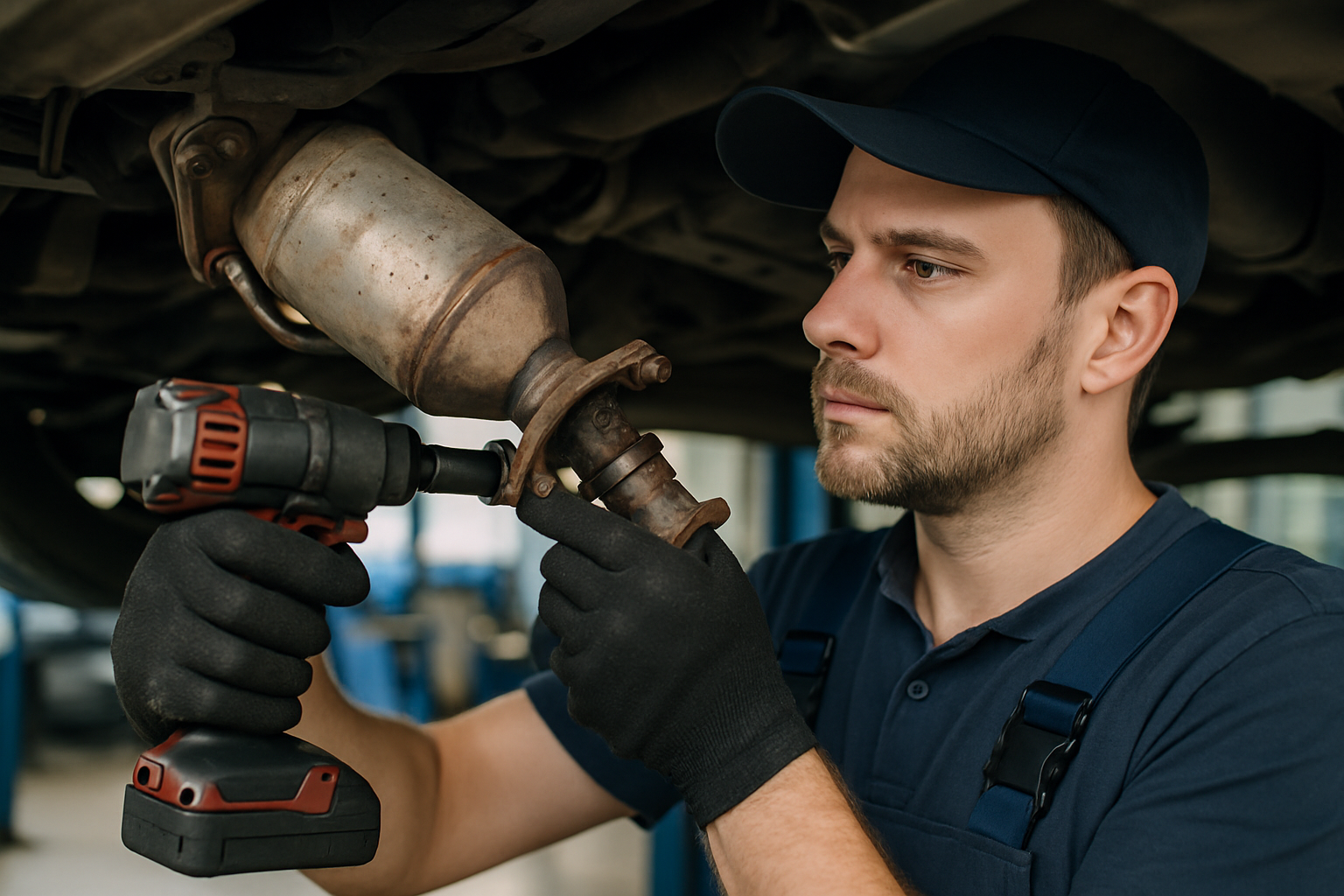
The turbocharger has internal oil seals on both the compressor side and the turbine side. When the compressor-side seal fails, oil migrates into the intake stream and burns through combustion, with blue smoke visible only briefly on startup or under hard acceleration. When the turbine-side seal fails, oil ends up in the exhaust, often pooling at the downpipe and producing intermittent blue smoke at idle. Both failures produce oil consumption that looks like ring wear from the dipstick. The diagnosis involves inspecting the intercooler piping for oil residue, the turbo’s compressor wheel for shaft play, and the downpipe for visible oil staining. Catching a turbo seal failure early avoids the larger conversation about a complete turbocharger replacement and any downstream catalyst damage.
A Real Consumption Test Comes Before Any Ring Job
A piston ring repair is one of the larger jobs an engine can have, and nobody should commit to it without confirmation that rings are actually the cause. A proper consumption test involves filling the oil to a measured mark, sealing or marking the dipstick, driving a documented mileage (typically 1,000 miles under varied conditions), and measuring the loss precisely. A leak-down test on each cylinder isolates whether compression is escaping past the rings, past the valves, or past the head gasket. Together, the two tests separate ring wear from every other cause and produce a recommendation supported by numbers rather than assumption.
Test Yours Before the Conversation About Rings Starts
Call Fremont Foreign Auto at (510) 793-6067 when your Q5 is drinking oil and you want a structured answer rather than a guess. We’ll run the consumption test on a measured interval, check the PCV operation, inspect the turbo, and only recommend ring work if the results say the rings are the cause.