
Audi steering systems stopped being simple the moment hydraulic fluid was replaced by current, logic, and CAN coordination. Today’s electric power steering (EPS) units—used in nearly all Audi models since 2009—fail in ways most shops never test for, and Union City drivers often pay for the wrong part long before they receive the right answer. At Fremont Foreign Auto, we repair EPS issues by interrogating every input that influences assist, from voltage feed and grounding to torque sensor calibration and control module traffic.
When Assist Drops Out, the Rack Isn’t Always the Problem—It’s the Network Behind It
In Audi platforms like the A4 B8, Q5, and A6 C7, EPS failures rarely begin with the motor or rack itself. These systems rely on signal integrity from chassis control, steering angle sensors, and brake modules—each of which communicates across a shared high-speed CAN network. We’ve documented cases where intermittent assist loss traced back to voltage noise from aftermarket lighting or resistance imbalance introduced by degraded ABS wiring. Instead of parts-swapping, we analyze CAN waveforms for jitter, bus loading, and termination impedance. Once we locate the disruption, we isolate it, confirm stability, and verify assisted restoration under controlled load conditions.
Low Battery Voltage and Ground Instability Break the System Without Triggering a Warning Light
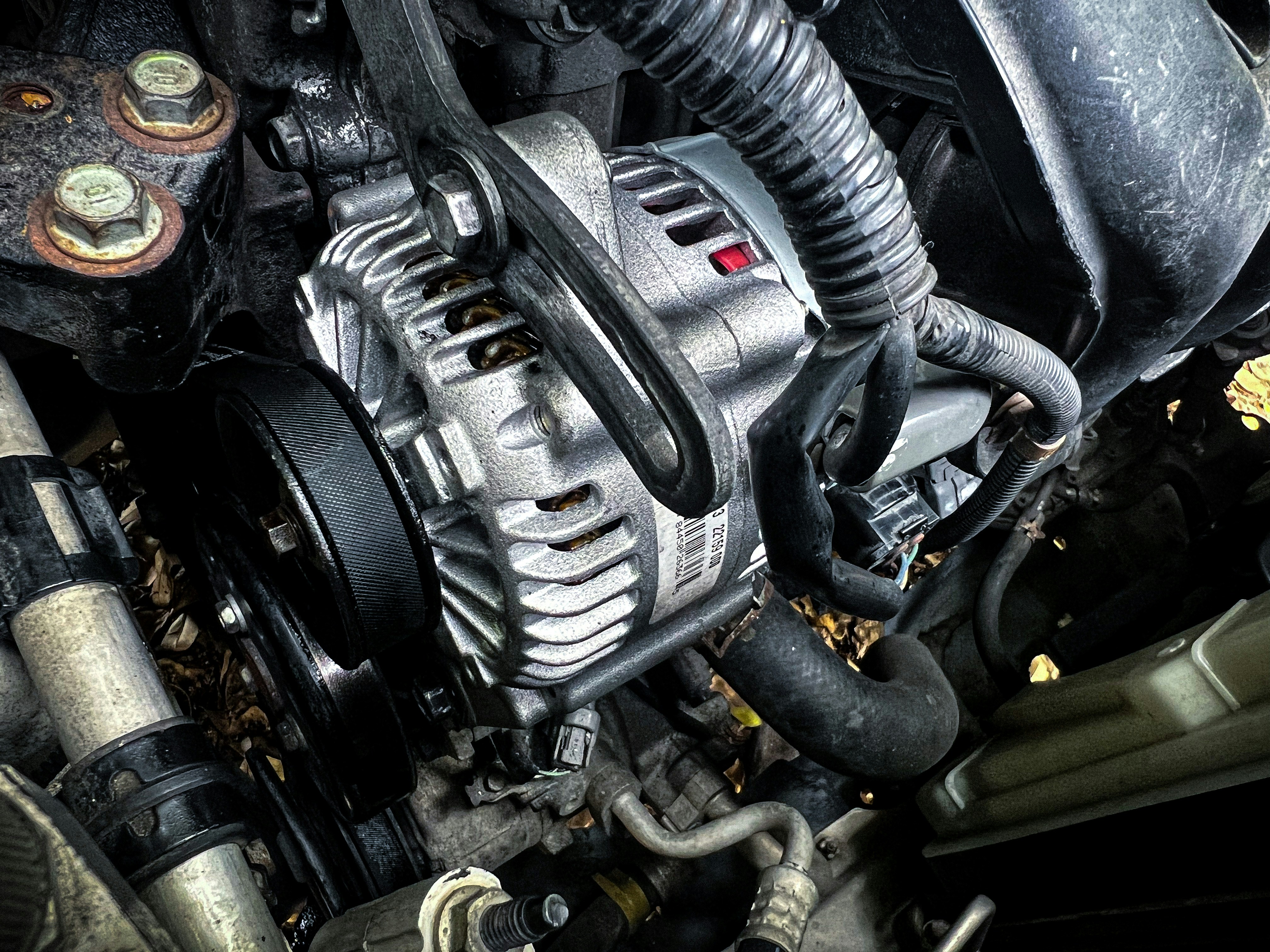
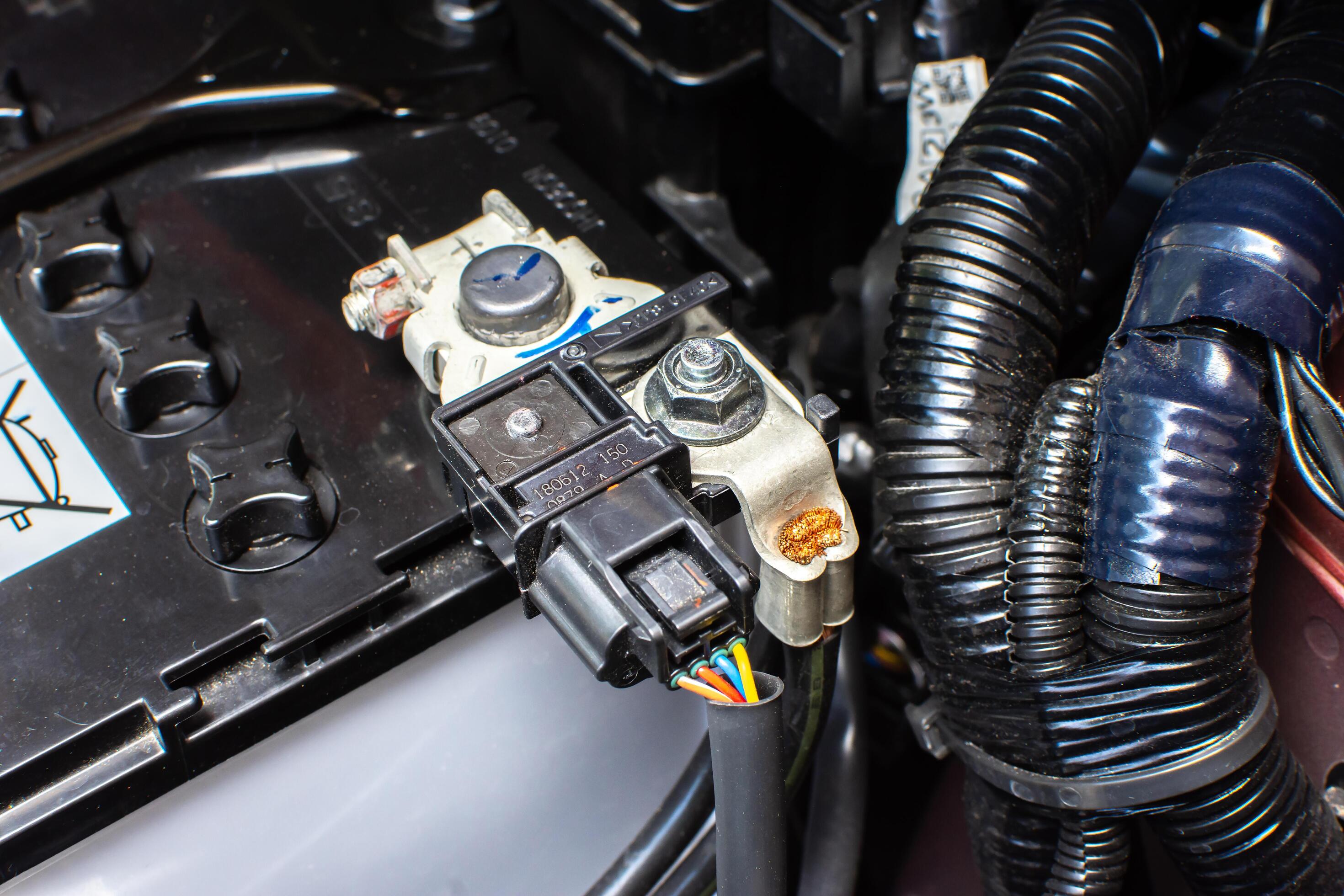
Union City drivers often report EPS assist failure in the early morning or while idling in traffic with all accessories running. These failures happen when aging batteries or undercharging alternators drop voltage below the EPS module’s minimum operating threshold, without tripping a code. Our diagnostic routine involves dynamic voltage drop testing during HVAC, lighting, and start-stop transitions to simulate real-world conditions. If we observe a voltage sag below spec, we measure module current draw, inspect grounding impedance, and confirm that the assist motor receives a stable supply under variable loads. We do not diagnose batteries in isolation—we test how voltage behaves under pressure.
Torque Sensor Drift Can Create Dead Zones in Steering Response Without Storing a Single Fault
EPS racks include torque sensors that measure driver input and command assist response. Over time, these sensors lose calibration, especially in vehicles driven aggressively or exposed to temperature extremes. In 2013–2018 A6 and Q5 models, we’ve diagnosed inconsistent assist and steering lag caused by torque sensor zero shift, where the rack interprets centered wheels as off-center. We validate this using real-time angle-to-torque deviation mapping and confirm offset drift outside Audi’s acceptable range. Depending on stability, we either reset the sensor’s zero position or replace the rack and reinitialize the adaptive assist map through ODIS software.
CAN Lag and Signal Disruption Look Like Mechanical Problems—Until You Scope the Network
When multiple modules feed the EPS with inconsistent or delayed input, assist behavior becomes erratic, unpredictable, or fails entirely. We’ve seen this on late-model Q7s and A4s, where wheel speed sensor faults flooded the CAN bus with chatter, causing the EPS to misread vehicle behavior. Using a dual-trace oscilloscope and CAN decoding software, we examine bus timing, confirm signal shape symmetry, and measure resistance to verify system integrity. Replacing a rack in this condition would do nothing, because the rack isn’t failing; it’s receiving bad data.
Steering Angle Reinitialization Is Mandatory After Battery Service or Control Module Flashing
Most EPS faults reported after routine service are not mechanical—they’re caused by skipped calibration. After a battery disconnect or a control module update, EPS systems must relearn steering angle centering and torque assist curves. Without reinitialization, drivers experience uneven effort, off-center drift, or persistent steering warning lights. We handle this by using ODIS to command a full EPS adaptation reset, then road test the vehicle under controlled left-right sweep cycles to verify the torque map relearns symmetrically. We also recheck the rack travel limits and angle offset in degrees to ensure the full control range is restored.
EPS Repairs Require Logic, Not Luck—and Calibration, Not Just Parts
Unlike hydraulics, electric steering does not degrade gracefully. It compensates in silence until it fails in full, and most shops chase the wrong fault because they don’t understand how the system thinks. At Fremont Foreign Auto, we fix assist loss by tracing electrical instability, CAN lag, and sensor drift—not by throwing a rack at every warning light. If your Audi’s steering tightens, fades, or changes feel mid-turn, call (510) 793-6067 to schedule a diagnostic session that finds the real failure before it spreads across the entire system.