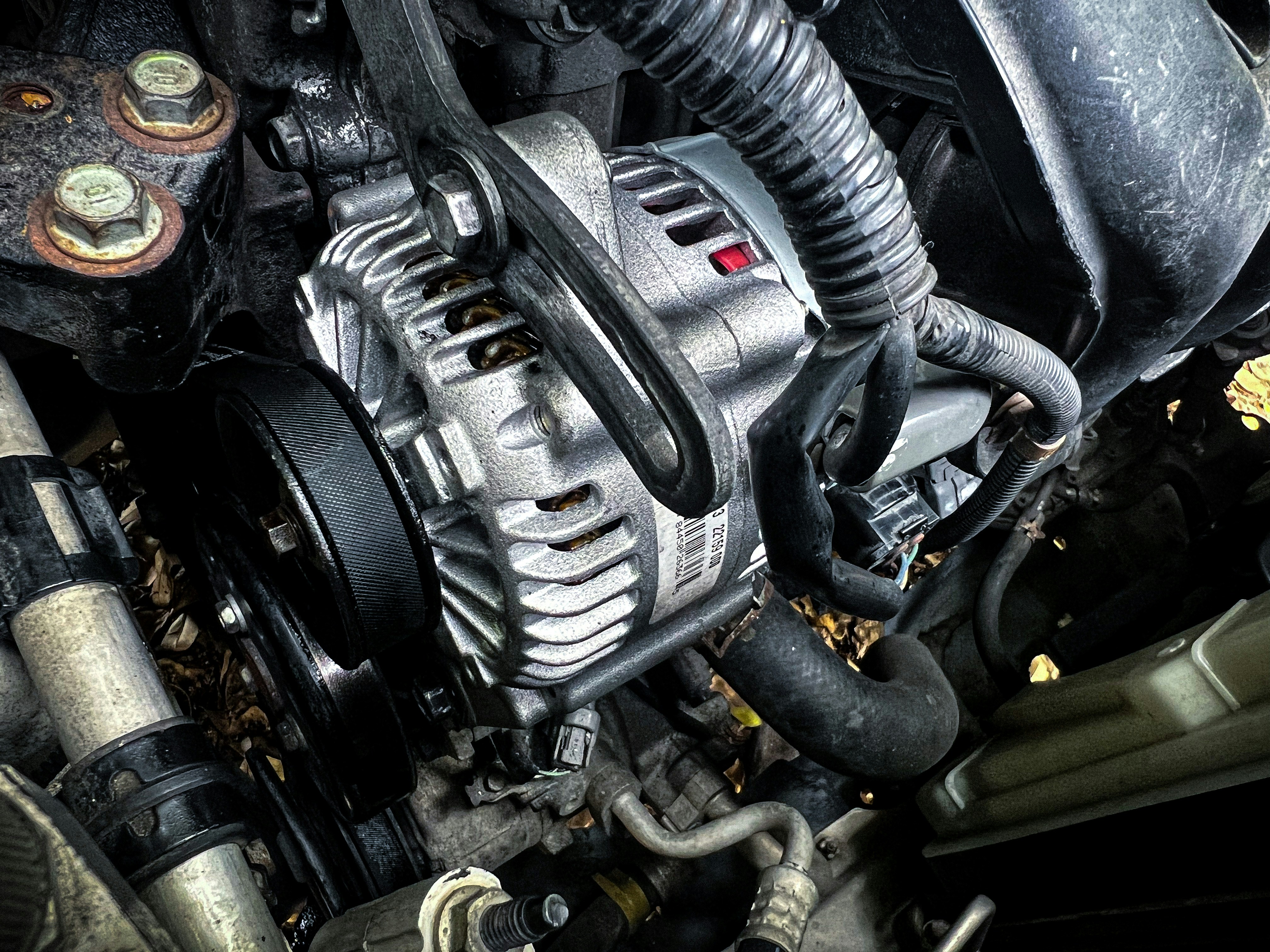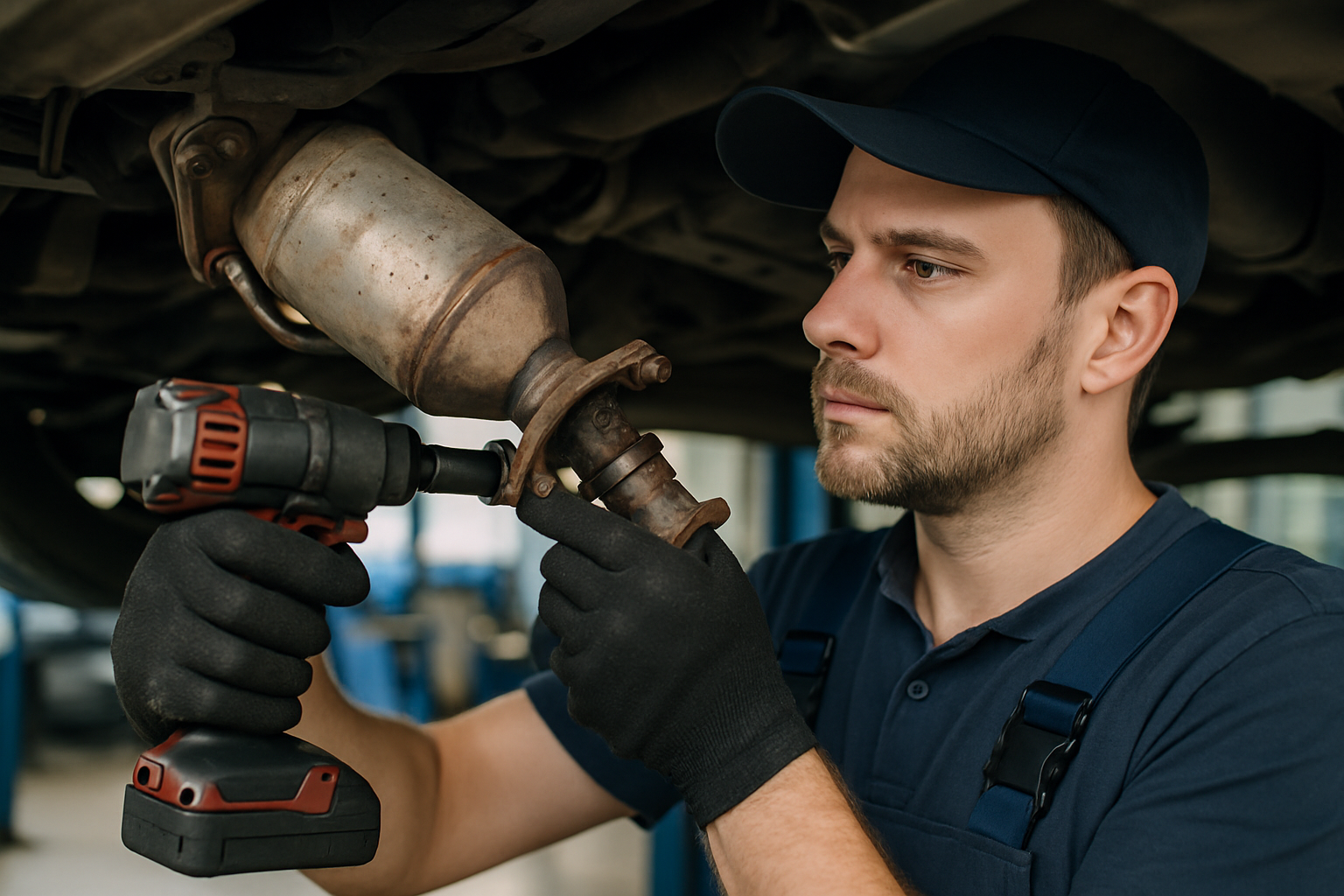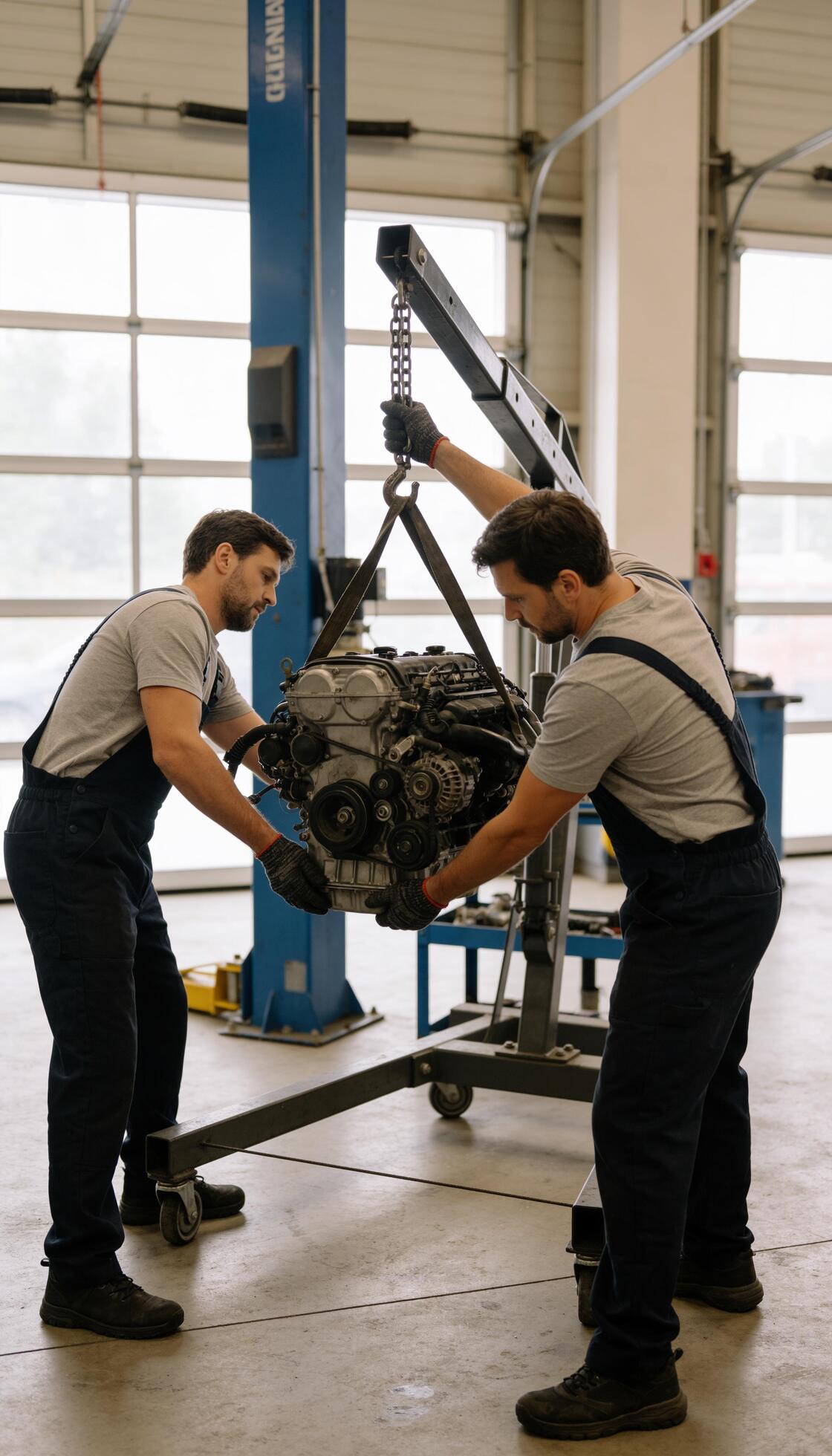
A timing belt does not fail gradually. It fails instantly, taking your engine down with it. There are no warning lights, no dashboard alerts, and no slow decline in performance. One second, you’re cruising through Newark, CA. The next, your engine stops running, leaving you with a car that won’t move and a repair bill that could cost thousands.
This is how it happens.
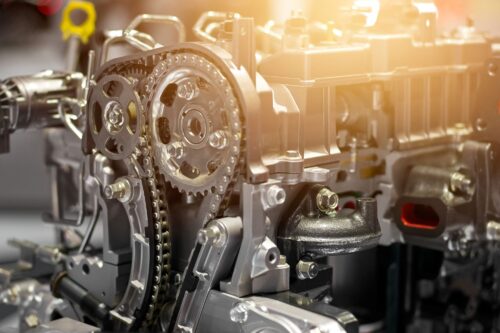
A weak timing belt wears down over time, and once it snaps, it causes major internal engine damage. The belt synchronizes the movement of pistons and valves, and when it breaks, they collide at high speed. If you drive a Honda Accord (2003-2012) or a Subaru Outback (2005-2014), your engine design leaves no room for error. These interference engines suffer catastrophic damage when the timing belt fails.
At Fremont Foreign Auto, we replace worn-out belts before they can fail. Our technicians ensure Newark drivers never end up with a destroyed engine due to a broken timing belt.
A Failing Tensioner Will Destroy A Good Belt
A strong belt cannot function properly if the tensioner fails. This small but essential component keeps the belt tight and aligned. When it malfunctions, the belt slips, misaligns, or completely jumps off, causing your engine to lose timing and stop working.
Certain vehicles, including Volkswagen Passats (1998-2005) and Acura TLs (2004-2014), frequently experience tensioner failures. A subtle rattle under the hood or an unusual change in engine noise may be the only warning sign before complete failure.
At Fremont Foreign Auto, we always inspect tensioners during timing belt replacements. If the tensioner shows any sign of weakness, we replace it immediately. We do not take risks with your engine’s health.
Oil Leaks Will Destroy Your Belt From The Inside Out
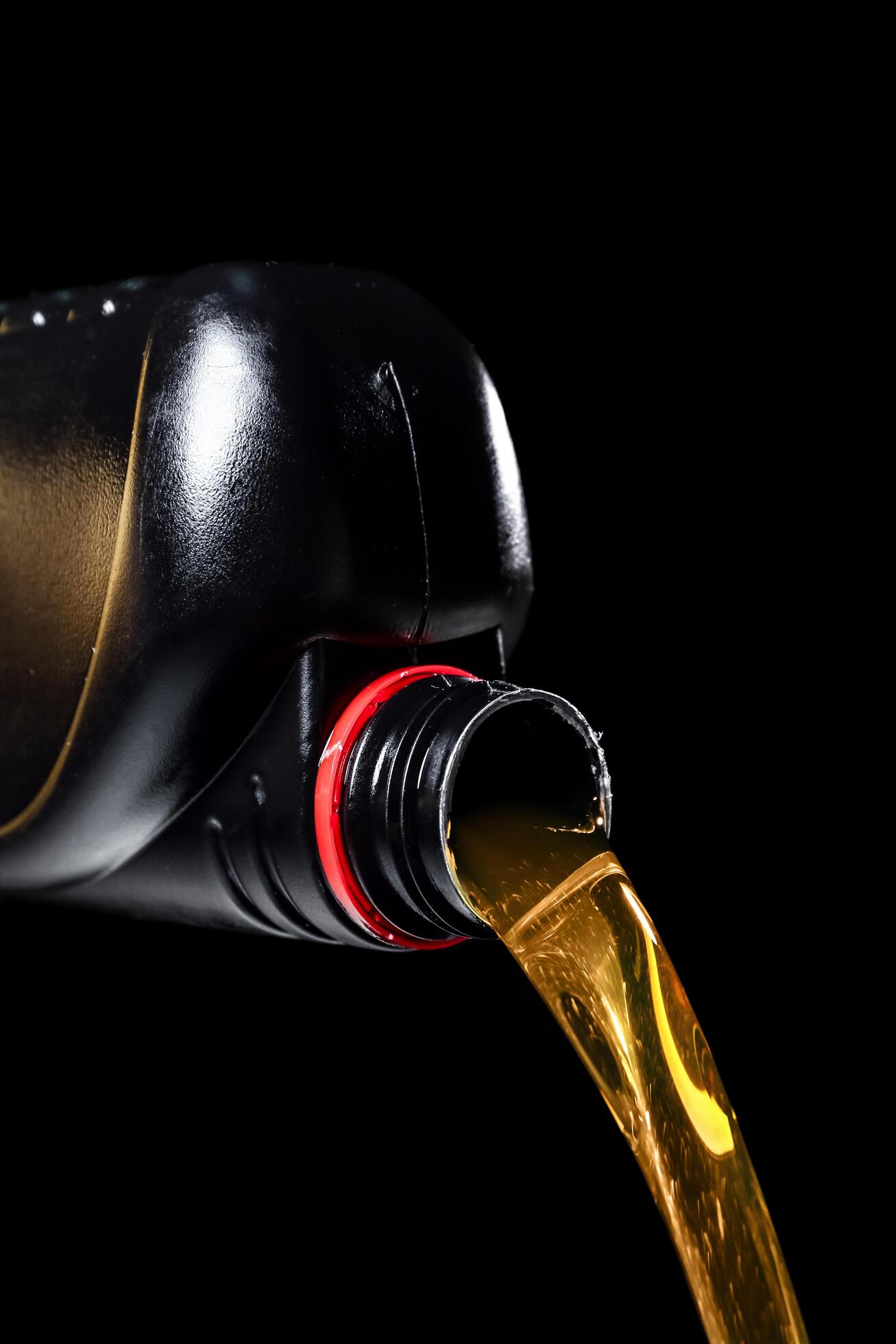
Timing belts are highly sensitive to oil contamination. Even a small leak from the camshaft or crankshaft seals can seep onto the belt, weakening the rubber and causing it to deteriorate. Over time, the belt will stretch, fray, or snap without warning.
If you drive an Audi A4 (2002-2009) or a Nissan Xterra (2000-2015), your engine may be prone to seal leaks that can compromise the timing belt. Many drivers do not notice the problem until it has already caused severe damage.
At Fremont Foreign Auto, we check for leaks before installing a new timing belt. If we find one, we repair it before replacing the belt. A fresh belt on an engine with an oil leak will not last.
Waiting Too Long Guarantees Engine Failure
Every manufacturer provides a strict replacement schedule for timing belts, and these recommendations exist for a reason. Whether your vehicle requires a timing belt replacement at 60,000 miles or 100,000 miles, ignoring the interval guarantees failure.
For example, the Mitsubishi Eclipse (2000-2012) requires a timing belt replacement every 60,000-90,000 miles. The Chrysler PT Cruiser (2001-2010) must have its belt replaced by 100,000 miles at the latest. Pushing past these limits turns a simple maintenance service into an engine rebuild.
At Fremont Foreign Auto, we track replacement intervals and notify Newark drivers when it’s time for service. A planned timing belt replacement costs a fraction of the price of an unexpected engine failure.
A failed timing belt is not an inconvenience. It is a disaster that leaves you with a car that won’t run and an engine that may never recover. Fremont Foreign Auto provides expert timing belt service to Newark drivers, preventing sudden breakdowns and costly repairs.
Do not wait for your engine to fail. Call (510) 793-6067 today and schedule your timing belt service at our Fremont auto shop before it is too late.