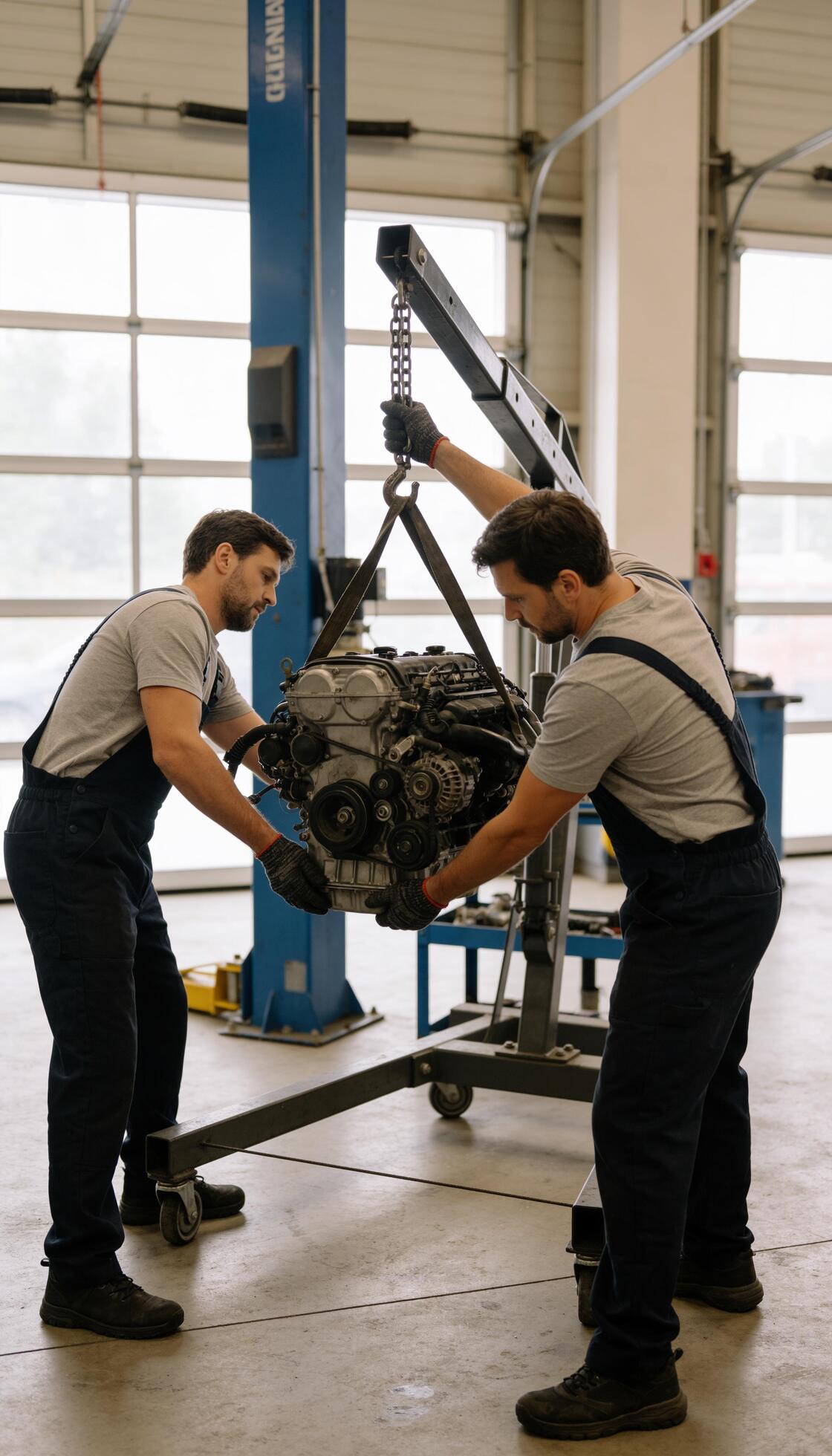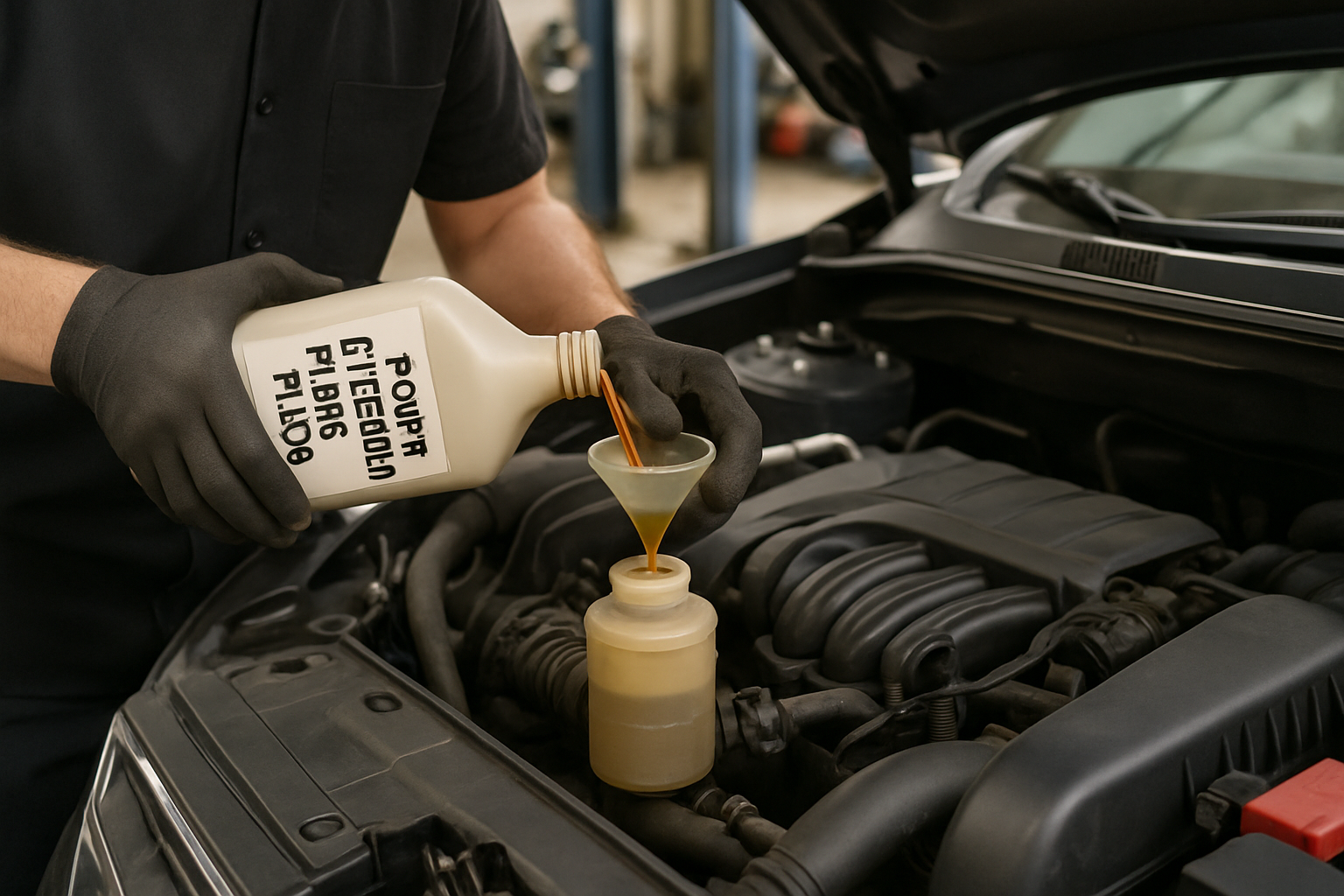
If your 2010–2014 Prius burns oil between changes, it’s not wear and tear—it’s stuck piston rings and carbon-choked cylinders. The Gen 3 1.8L 2ZR-FXE engine uses low-tension rings that fail when sludge gums them up. You’ll top off oil forever unless we clean the piston skirts or rebuild the bottom end. Newark drivers often come to our Fremont shop after being told this is “normal” by someone who never scoped a cylinder.
The EGR System Isn’t Optional—It’s a Time Bomb When Ignored
Exhaust gas recirculation reduces NOx but invites carbon buildup when the oil control system starts to fail. Prius engines from 2010 to 2015 clog their EGR valves, coolers, and pipes by 100,000 miles in most city-driven cases. Newark commuters who mostly make short trips never generate enough heat to burn it off, and the result is rough idle, random misfires, and choking airflow. We ultrasonically clean the EGR cooler, valve, and ports, then pull the intake manifold to eliminate the buildup that other shops leave behind.
Rough Starts and White Smoke? That’s Not Just Condensation
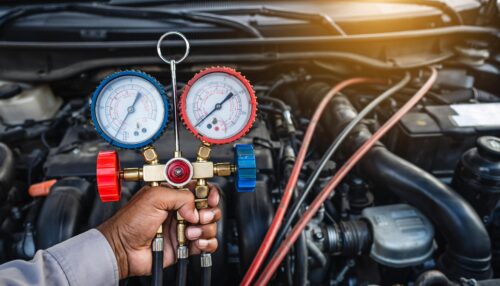
Head gasket failure on Gen 3 Prius models always begins the same way—morning misfires, coolant loss, and exhaust that smells too sweet. The failure typically shows up between cylinders 1 and 2, where pressure and temperature push coolant into combustion. We run pressure tests, sniff tests for hydrocarbons, and use bore scopes to confirm seepage before it turns into full-blown overheating. Most Newark drivers hear “misfire” and swap coils, but we fix the leak before the block warps.
The Inverter Cooling System Can Kill the Engine Without a Warning
The inverter water pump is a silent failure point that shuts down the hybrid system when it overheats and trips P0A93. When the inverter doesn’t stay cool, the ECU kills the motor to protect itself. We diagnose Newark Prius systems with live data flow monitoring, test for coolant circulation, and confirm pump activity with scan tool command tests. If the pump is weak, we replace it with OEM parts and vacuum-fill the coolant to purge trapped air that ruins new installs.
You Can’t Stop Oil Loss If the PCV System Can’t Breathe
The crankcase ventilation system builds pressure when the PCV valve clogs or when blow-by overwhelms the catch capacity. On Gen 2 and 3 engines, this results in oil leaks at the valve cover or oil making its way into the intake manifold. We pressure test the crankcase, inspect intake runners for residue, and install baffled catch cans to intercept misted oil. Newark drivers dealing with excessive oil loss usually need more than just a PCV valve swap.
Cold Weather Mileage Drops? Blame the Thermostat, Not the Fuel
If your Prius runs cold for too long, you burn more fuel because the ECU holds open loop. We find failed thermostats and stuck coolant valves on 2010–2015 models that struggle to reach operating temperature before the trip ends. Newark drivers notice poor cabin heat, longer warm-ups, and MPG drops during the winter months. We replace failed thermostats, recalibrate electronic valves, and refill coolant systems with vacuum tools to eliminate the air pockets that sabotage flow.
A Hybrid Isn’t Just a Gas Engine With a Battery—It’s a System That Requires Systems Thinking
Most repair shops treat the Prius like a Corolla with better mileage, which leads to half-diagnosed issues and temporary fixes. At Fremont Foreign Auto, we use Toyota Techstream, conduct full pressure and draw tests, and simulate hybrid-load conditions to identify real faults. Newark drivers who visit us after poor repairs are usually shocked at what was missed—the cooling path wasn’t burped, the EGR pipe was left untouched, or the battery wasn’t tested under load. We fix the platform as a whole, not as a pile of symptoms.
What You Don’t See Will Hurt You If You Wait
Small issues in a Prius engine always grow slowly, then all at once. That white smoke? That low coolant? That shaking at idle? It’s not just wear; it’s failure in progress. Fremont Foreign Auto helps Newark drivers prevent full engine failure by catching gasket seepage, EGR choke points, and pressure irregularities early. Call us at (510) 793-6067 and get a real fix before your Prius turns into a hybrid headache.