Milpitas BMW drivers bring in this exact complaint more often than almost any other brake concern at Fremont Foreign Auto in Fremont, CA. Slow stops from thirty down to ten feel smooth and normal on a 3 Series, 4 Series, 5 Series, or M car. Highway stops from seventy down to thirty send a rhythmic shake through the steering wheel that the driver can feel in both hands. The specificity of the shake matters, because slow-speed smoothness rules out caliper binding and wheel bearing play before a single tool touches the car.
Temperature Is The Whole Story On Fast-Stop Vibration
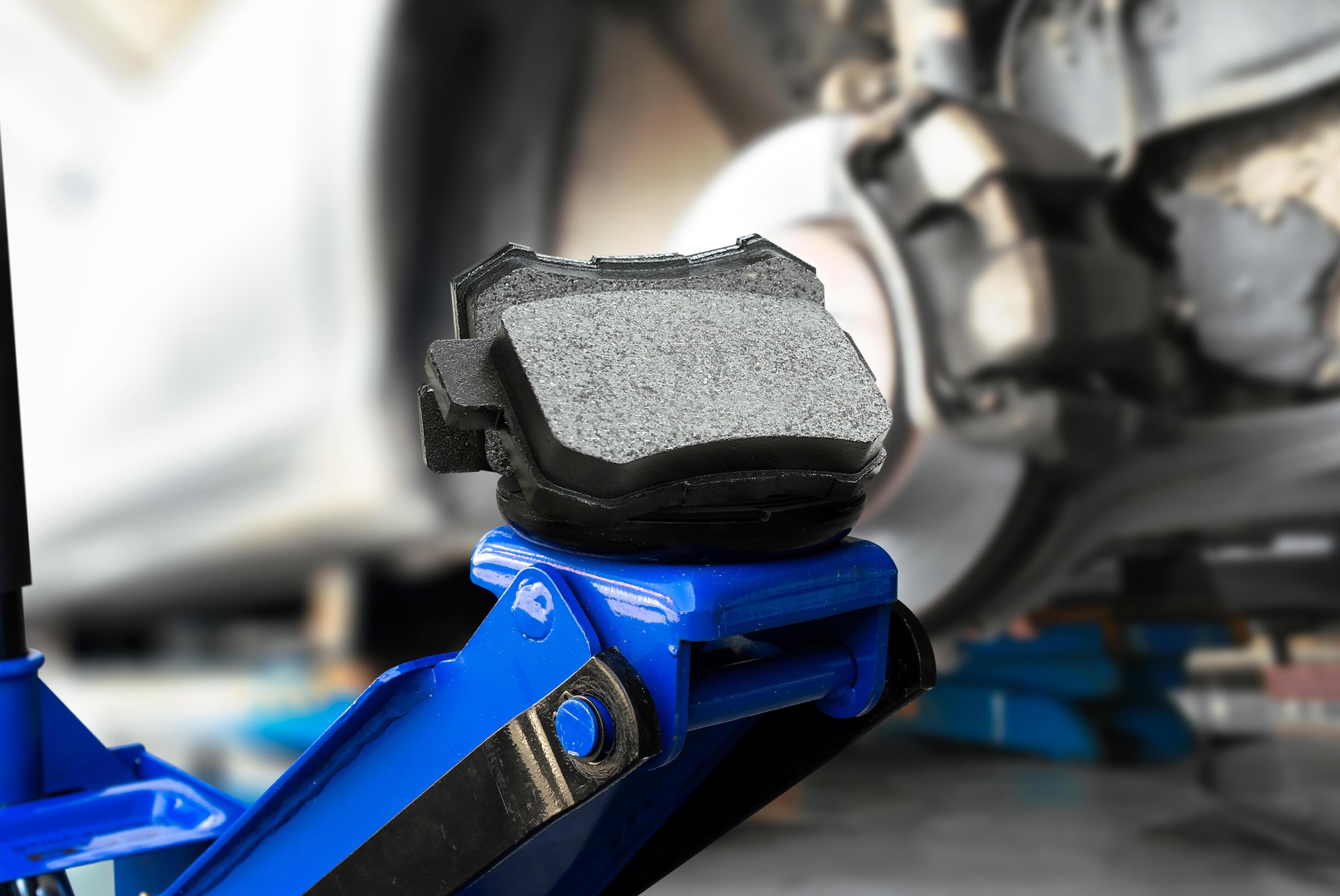
A brake pad does not simply press against the rotor and generate stopping force through friction alone. The pad deposits a thin film of friction material onto the rotor face during every stop, and that film is what the next pad application grabs. Cold rotors accept a thin, even layer of pad material because the temperature stays below the threshold where the material flows unevenly. Hot rotors past a certain temperature accept pad material unevenly, because the friction compound softens and deposits more in some spots than in others. A fast stop heats the rotor far past that threshold in a few seconds, and the uneven deposit becomes the source of every vibration you feel at the wheel during the next hard stop.
Why The Vibration Only Shows Up At Highway Speed
Slow stops from city speeds never push rotor temperature high enough to soften the pad material beyond its even-deposit range. The friction surface stays inside the thermal window where pad transfer behaves predictably, so the next stop feels smooth. Highway stops from seventy, eighty, or ninety miles per hour push the rotor surface through that window in the first second of braking, and every stop after that adds another layer of uneven material to the growing mess. Drivers who commute exclusively on surface streets almost never feel this failure, and drivers who take 880 or 680 to work feel it every week.
Bluing, Micro-Cracking, And The Mess The Eye Can See
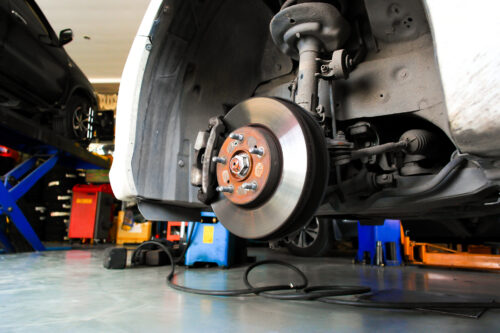
Heavy thermal cycling on a BMW rotor leaves visible evidence on the friction surface that tells a tech exactly what happened. Rotor bluing, a faint blue or purple tint across the surface, marks spots where temperatures spiked past the point where the steel started to oxidize differently. Micro-cracking appears as thin hairline fractures running radially across the rotor face, caused by repeated thermal expansion and contraction. Both of those marks confirm the heat-and-deposit story and rule out the rotor-warping story most shops default to.
Bed-In Is The Procedure Most Shops Rush
New pads need a careful sequence of moderate-intensity stops to deposit an even transfer layer before the car ever sees a hard highway stop. A shop that hands the car back to you after a brake job without running any bed-in at all has given you a brake system with zero transfer layer, and the first aggressive stop you take deposits the initial layer at the wrong temperature. Proper bed-in takes twenty minutes and costs nothing in parts, yet it is the single most consistently skipped step in the brake industry.
Call Before Your Next Tahoe Drive
Fremont Foreign Auto’s number is (510) 793-6067, and the appointment starts with a road test that includes one hard stop from highway speed to feel exactly which wheel the shake traces back to. The fix almost always involves new rotors, matched pads, and a documented bed-in procedure that takes the temperature story seriously from the first stop.