Most Mercedes-Benz owners hear a squeal from the brakes and assume something expensive just broke. That assumption costs people time and money, because half the brake noises we diagnose at Fremont Foreign Auto in Fremont, CA turn out to be maintenance items that Milpitas drivers can address before the problem compounds. Is the sound you’re hearing a warning, a wear pattern, or something the brake system does by design? The answer depends entirely on what type of noise it is, when it shows up, and which components are producing it.
The Squeal That’s Built Into the Pad
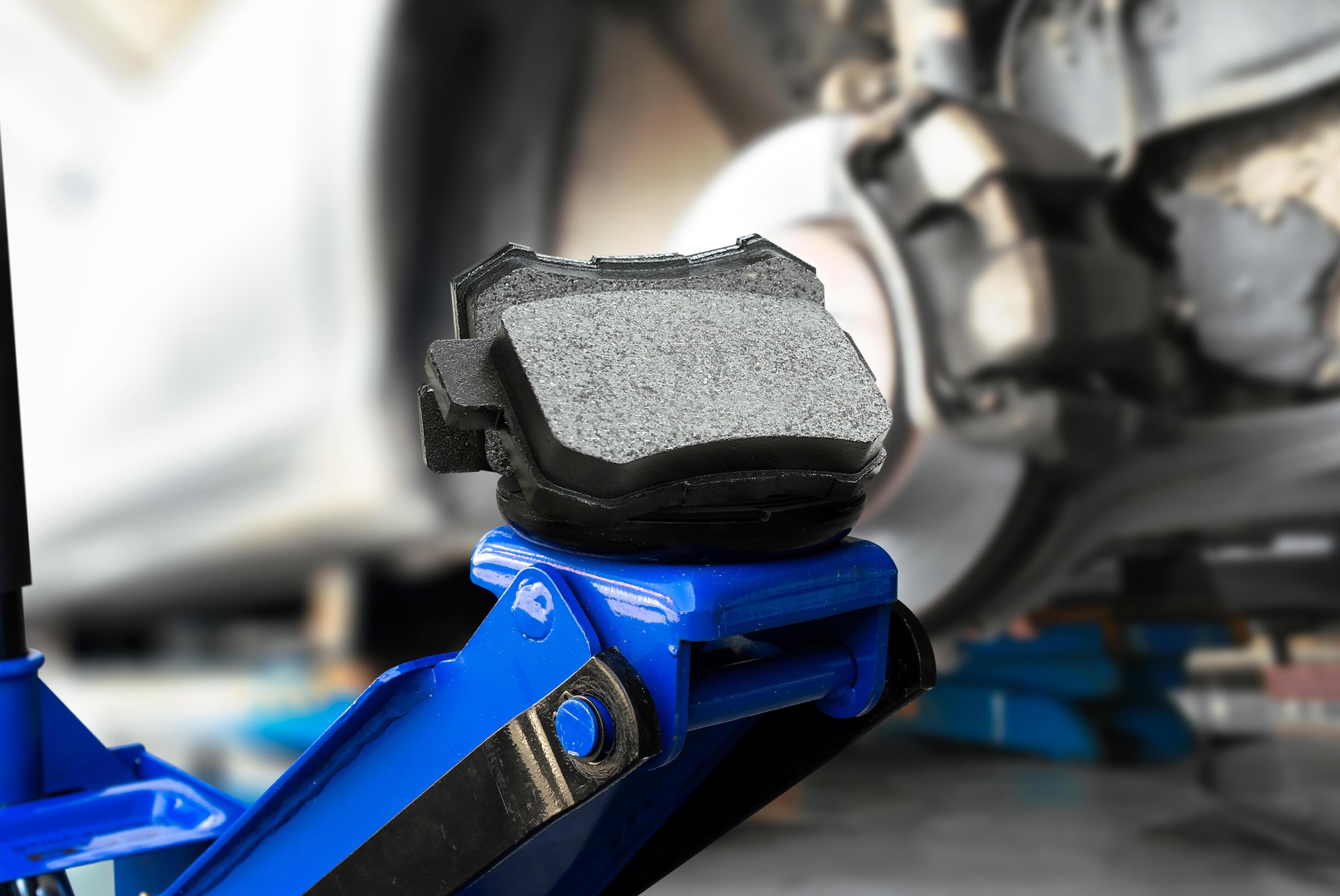
Mercedes-Benz installs semi-metallic brake pads at the factory on most C-Class, E-Class, GLC, and GLE models. These pads contain metal fibers that deliver strong stopping power across a wide temperature range, and that metal content means the pads naturally produce more dust and noise than a ceramic compound would. A light squeal during gentle stops or while reversing at parking-lot speed is the pad’s metallic fibers vibrating against the rotor surface, and it doesn’t signal a failing component. Dust buildup between the pad face and the rotor amplifies this vibration, which is why a thorough cleaning can quiet brakes that seemed perfectly fine three months ago.
What the Wear Sensor Sounds Like
Every Mercedes brake pad includes a small metal sensor embedded in the friction material, and that sensor has one job: contact the rotor surface when the pad wears down to approximately 3mm of remaining material. The contact creates a thin, persistent squeal that’s louder than the normal metallic vibration and doesn’t fade after the brakes warm up. Have you noticed a high-pitched tone that follows you through every stop on your Milpitas commute regardless of speed or pedal pressure? That consistent pitch means the sensor is exposed and the pads need replacement soon, because the friction material protecting the rotor face is running low.
When Grinding Means the Rotor Is Already Involved
Grinding is a different animal from squealing, and the two should never be confused. A grinding noise means the pad’s metal backing plate is pressing directly against the rotor because the friction material is completely gone. Every stop at this stage cuts grooves into the rotor surface, which means the rotor will need resurfacing or replacement alongside the new pads. How does a rotor go from smooth to scored? Each contact between bare metal and the disc face carves a channel, and those channels deepen with every brake application until the rotor drops below its minimum thickness specification.
Pulsation, Vibration, and What a Warped Rotor Feels Like
A vibration through the brake pedal during highway-speed stops points to rotor runout, which is the technical term for a warped or unevenly worn rotor. Repeated hard braking from high speed generates enough heat to distort the rotor’s flat surface by just a few thousandths of an inch, and the pad can’t make even contact across a surface that’s no longer true. Can you feel the pedal pulsing under your foot during a steady stop from freeway speed? That rhythmic push-back is the pad riding over the high and low spots on the rotor face, and a measurement with a dial indicator tells us whether a resurface will correct it or whether the rotor is past its serviceable limit.
How We Separate Noise From Damage at Our Fremont Shop
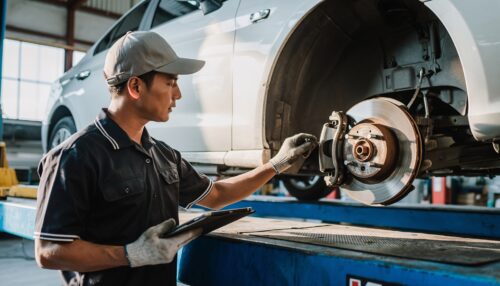
Our brake diagnosis for Milpitas Mercedes-Benz owners starts with a road test to hear the noise in the same conditions you experience it, because brake sounds change with temperature, speed, and pedal pressure. We measure rotor thickness at multiple points with a micrometer, check each caliper slide pin for proper lubrication, inspect pad surfaces for glazing, and confirm that the wear sensors are intact and communicating with the dash. That process gives us a complete picture of what’s producing the noise and whether the fix is a cleaning, a pad swap, or a rotor replacement.
Mercedes-Benz brakes are built to stop a heavy, fast vehicle with confidence, and keeping them quiet is a matter of knowing which sound means what. Reach out to Fremont Foreign Auto at (510) 793-6067 to schedule a brake noise diagnosis; our Fremont, CA team will pinpoint the source for Milpitas drivers and make sure every stop feels as composed as the day you drove it home.