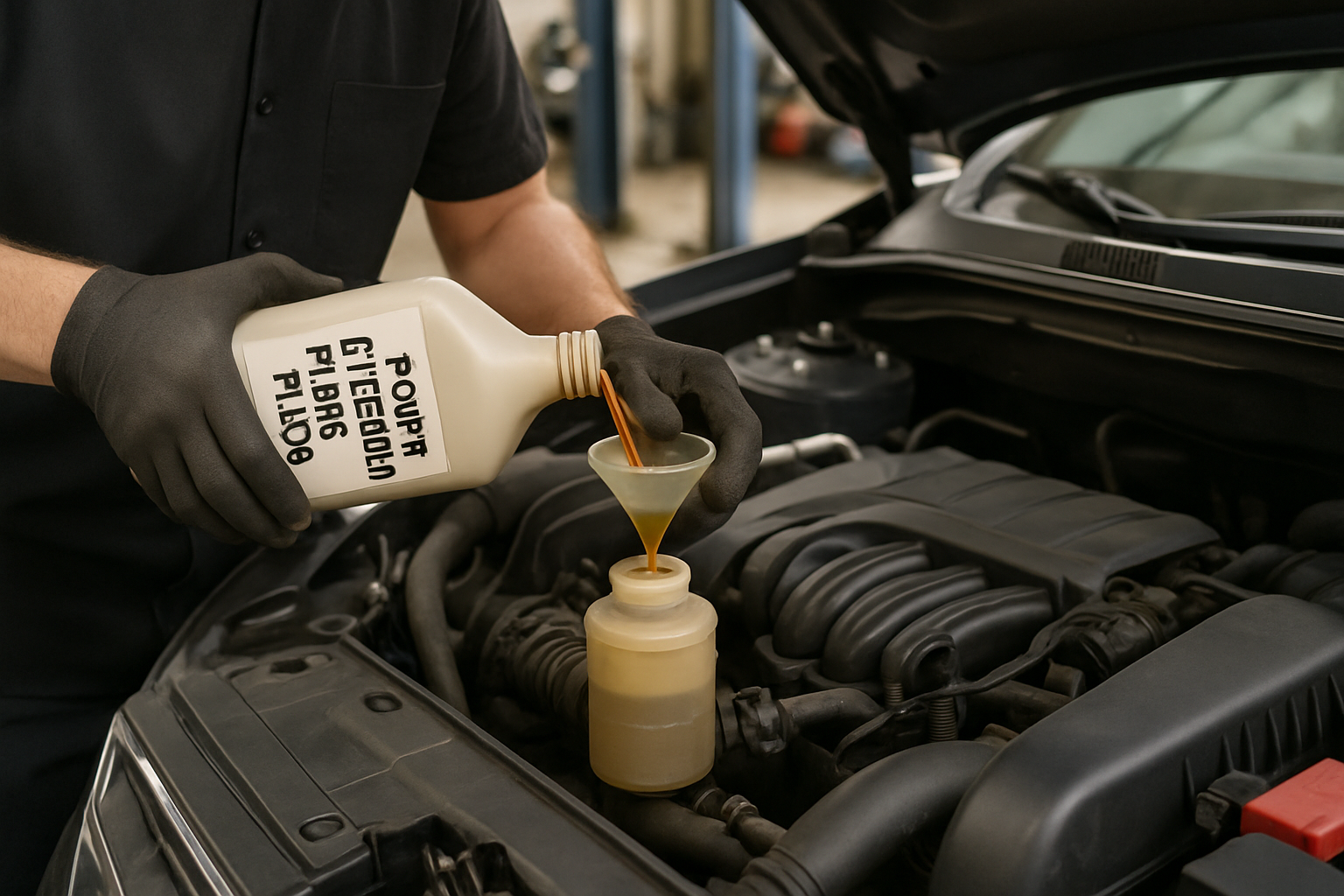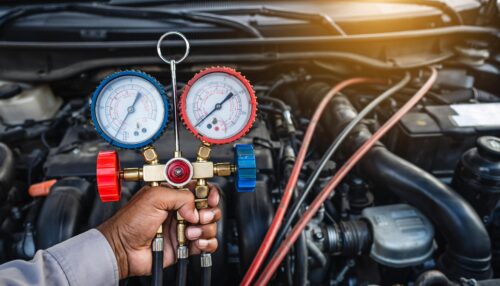
You shut off your Porsche Cayenne after a normal drive, return several minutes later, and hear the starter turn normally while the engine never catches. During those seconds, we can read live engine speed to check whether the crankshaft signal reaches the engine controls. We test that hot failure at Fremont Foreign Auto in Fremont for the Milpitas drivers we serve. A missing crank signal can prevent injection and ignition timing even when the starter sounds completely normal.
We Start With Live Engine Speed
The crankshaft-position signal carries engine speed and position information for injection and ignition timing. When live data shows no plausible engine speed during normal cranking, we look closely at the crank signal, its wiring, and crank-to-cam synchronization. That result narrows our work without authorizing a sensor replacement.
When plausible engine speed remains present, we keep fuel, mixture, spark, and mechanical checks open. We do not force a crank-sensor explanation onto every hot no-start. The live reading helps us choose the next test while the Cayenne is still refusing to start.
Crank and Cam Signals Need the Same Failure Window
Heat-sensitive trouble can disappear after the vehicle sits and cools. We compare crank and cam signals during the same failed attempt because a later cold test may look completely normal. The two signals must stay synchronized while the starter turns before we move confidently into another area.
We inspect the signal and its circuit when live engine speed disappears. We move toward fuel and mixture checks when engine speed remains plausible and synchronization stays correct. This same-event comparison keeps one changing condition from confusing another. It also explains why a stored warning code is helpful when present but cannot replace testing during the failure.
The Engine Determines the Fuel-Pressure Test
Cayenne generations include different engines and fuel-system layouts. Documented gasoline variants use direct injection, which makes high-pressure retention useful after we match the engine. We check the model year, trim, and engine before applying that test or its pressure specification.
A rapid pressure drop after shutdown can move our attention toward an internal leak at the high-pressure pump or an injector. The reading still needs the correct engine specification and another test before anyone chooses a part. Heat creates the testing condition, while the pressure behavior helps us locate the fuel path that needs attention.
Refueling Timing Can Change the Next Question
A rich hard start immediately after refueling moves the purge path higher in our test order. A stuck-open purge path can draw excess vapor into the engine and make that restart difficult. Heat without the refueling connection does not place the purge valve at the front of the job.
Tell us whether the complaint followed a fuel stop and how long the Cayenne sat before the failed start. We test the purge path when those details fit the symptom. This keeps a fuel-vapor condition separate from crank-signal loss and pressure decay.
Slow Cranking Belongs to the Starting Circuit
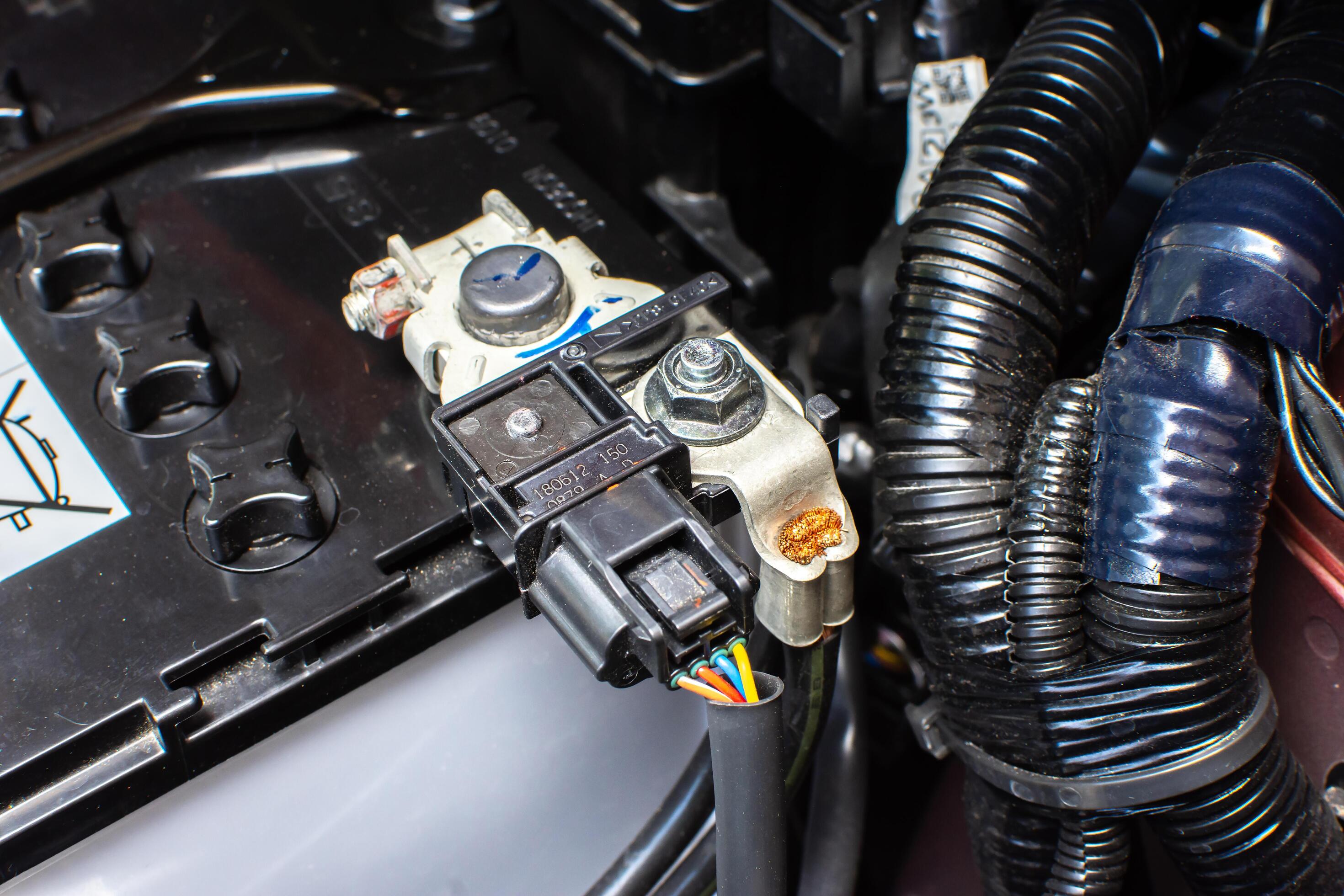
Another Cayenne may crank slowly or stop cranking when hot. That version moves us toward the battery, cables, grounds, and starter circuit. Circuit resistance or a starter fault can reduce cranking speed without creating a fuel-pressure or synchronization problem. We test that electrical path while the slow crank remains present.
Stop repeated attempts once the starter begins turning more slowly. Write down the hot-soak time, cranking speed, warning messages, and any refueling connection. Call Fremont Foreign Auto at (510) 793-6067 with that repeatable window, and we will use the live hot failure to choose the correct Euro repair tests for your Cayenne.