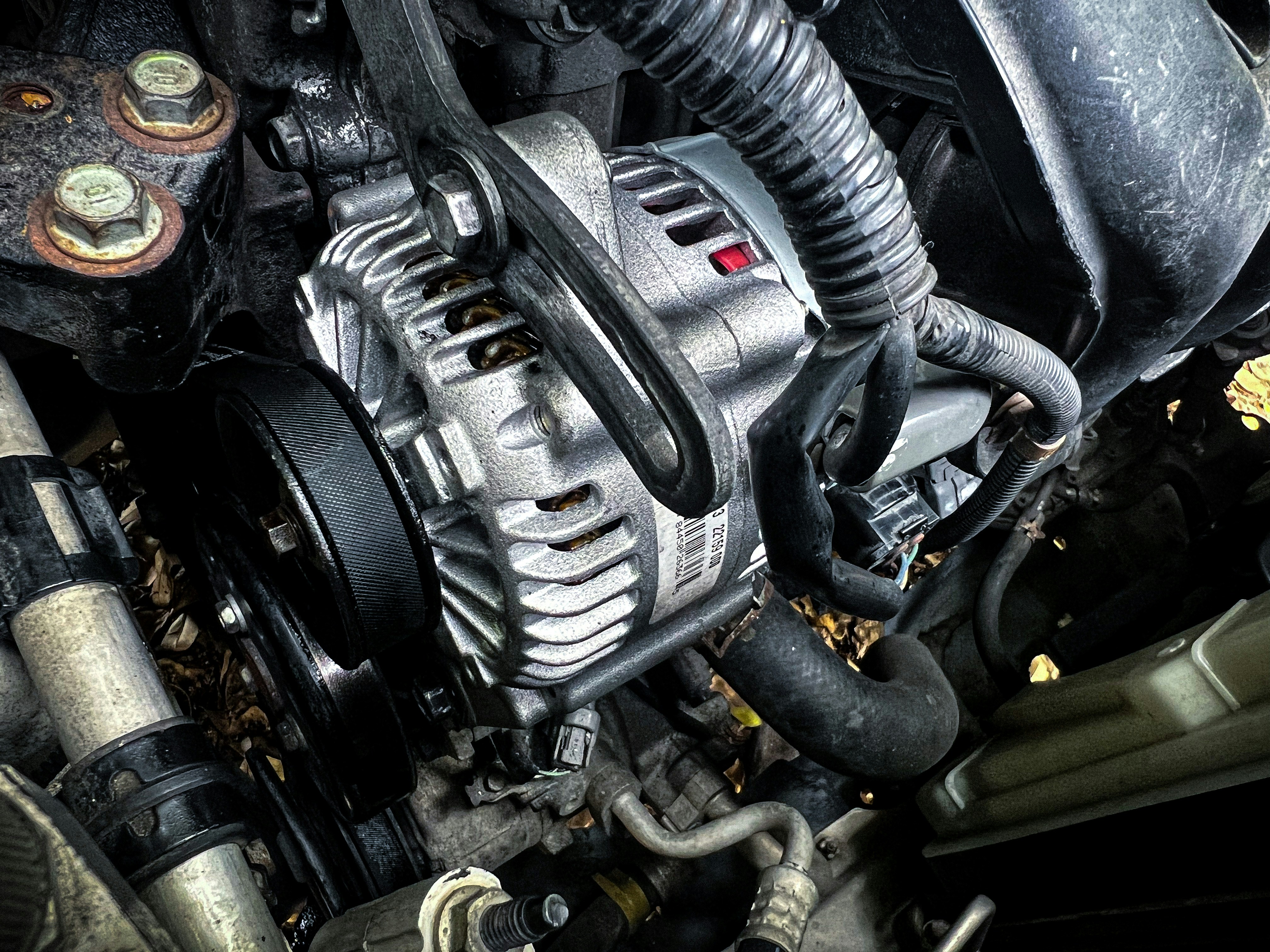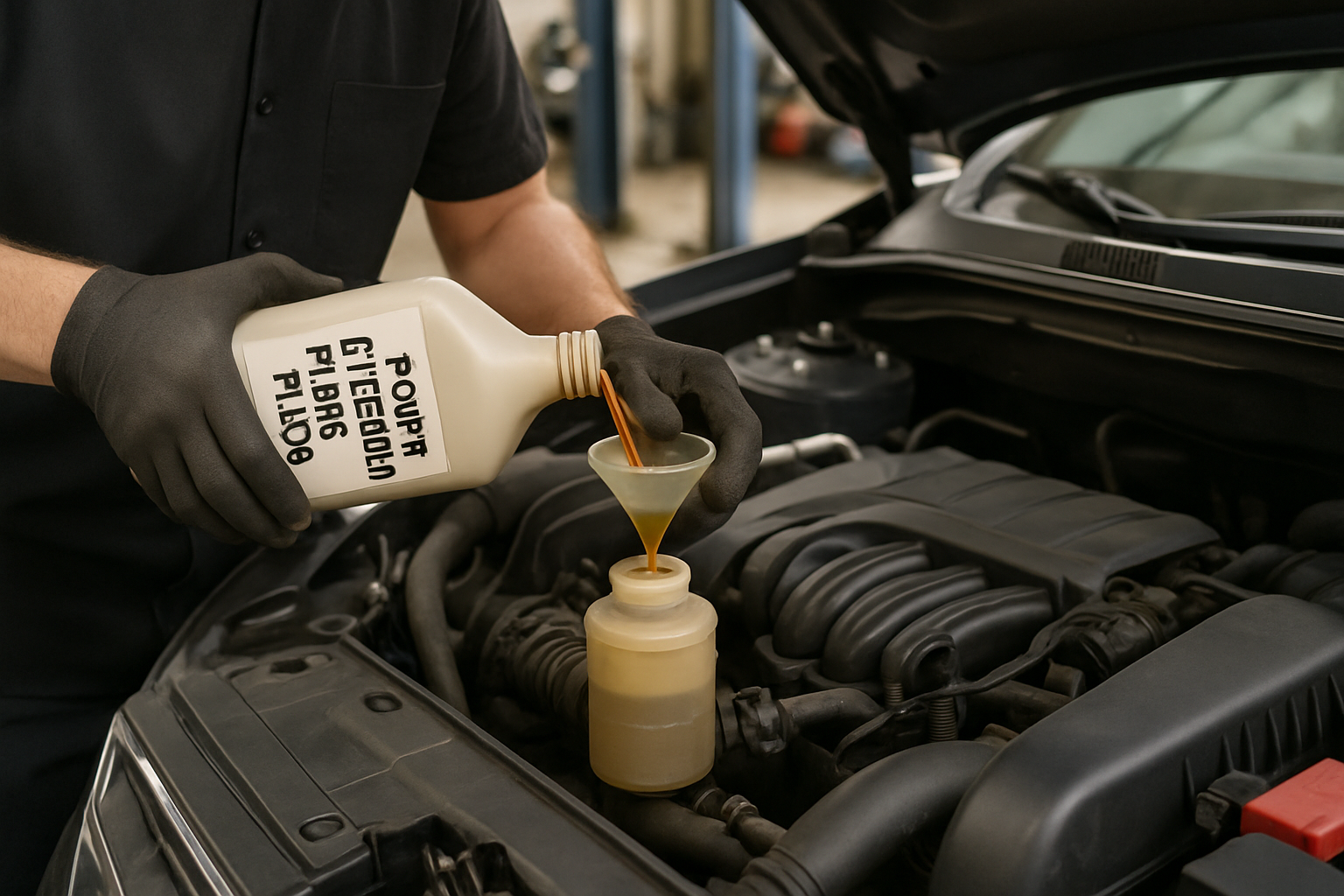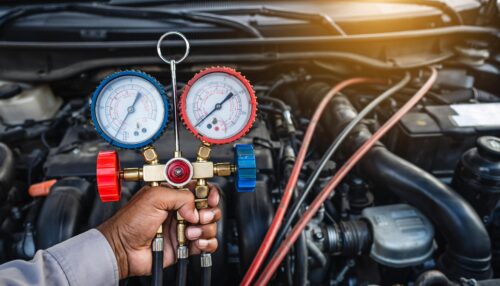
Somewhere in the early 2000s, BMW engineers decided that the traditional belt-driven water pump had outlived its usefulness on the new generation of inline-six engines. The belt pump was simple, reliable, and understood by every mechanic on earth, but it had one problem that modern emissions rules would not forgive. A belt pump always spins when the engine spins, which means coolant is always circulating, which means a cold engine takes longer to warm up because the coolant is constantly carrying heat away from the block.
Cold engines produce more emissions and burn more fuel, and engineers needed a way to pause coolant flow during the first minutes after startup. That pause is only possible with a pump that the engine computer can switch on and off, and only an electric pump can do that. Fremont Foreign Auto in Fremont, CA sees the consequences of that trade-off on BMW inline-sixes coming through the shop on a regular basis.
What A Mechanical Pump Does And How It Dies
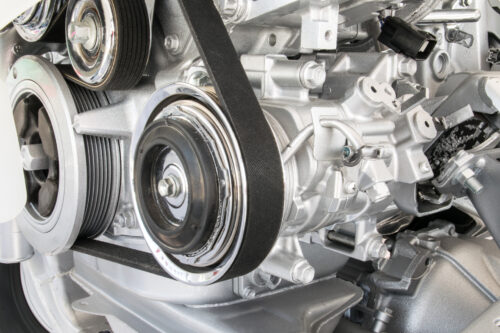
The mechanical pump on older BMW inline-sixes like the M52 and M54 is a simple casting with an impeller on a shaft, driven by the serpentine belt through a pulley. The shaft rides on a sealed bearing, and a shaft seal keeps coolant from weeping past the bearing into the engine bay. When a mechanical pump fails, it fails in one of two ways. The bearing wears out and the shaft starts to wobble, which you can feel by grabbing the pulley and rocking it side to side with the belt off. Or the shaft seal hardens over time and starts dripping coolant onto the timing cover below the pulley, leaving a telltale trail down the front of the engine. Both failure modes are slow, visible, and mechanically obvious to any tech who knows to look at the weep hole.
What An Electric Pump Does And Why It Dies Differently
The electric pump BMW uses on the N52, N54, and N55 engines is built by Pierburg and contains a brushless electric motor, a plastic impeller, and a control module that receives commands from the engine computer. The computer tells the pump when to run, how fast, and when to pause, which gives BMW the thermal control they wanted for emissions and warmup. But the design introduces three failure modes the mechanical pump never had. The brushless motor bearing wears out over years of high-rpm operation, the plastic impeller develops hairline cracks under thermal stress, and the control module cooks itself in the engine bay heat until the electronics give up. None of these failures are visible from the outside of the pump, and the first warning is usually an intermittent temperature gauge that dances once or twice before the pump quits entirely.
What It Means When Your Pump Quotes Arrive
Fremont Foreign Auto at (510) 793-6067 handles electric pump replacement on N52, N54, and N55 BMWs every week, and the right repair includes a Pierburg OEM pump, fresh stretch bolts because the originals cannot be reused, and a proper bleed procedure run through the diagnostic tool to clear air pockets that would otherwise cook the cylinder head. Skipping the bleed leaves trapped air pockets in the cylinder head, and those pockets turn into steam bubbles that crack aluminum castings. Ask any shop quoting the job whether they test the control module separately from the motor before quoting a full pump, because sometimes the module is the only part that needs replacing.