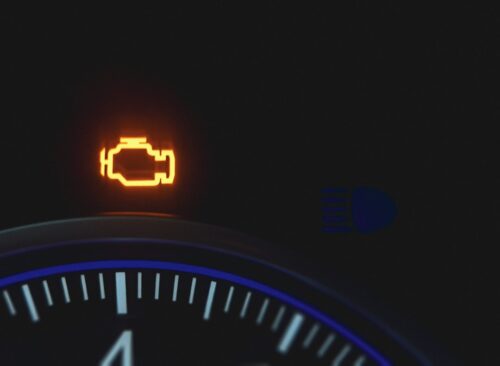
Your Jetta’s check engine light has come back on for the second time this year, and somebody cleared it last time without addressing what set it off. That pattern tells us the diagnosis stopped at the code rather than continuing to the cause. Clearing a code takes about ten seconds and solves nothing. Finding why the code logged in the first place is the work that keeps the light off. Fremont Foreign Auto is based in Fremont, CA, and we see five codes more than any others on Jettas, with a different repair path behind each one.
P0171: When the Engine Is Pulling Too Much Air
P0171 means the engine is running lean, with more air entering the cylinders than the fuel injection is accounting for. On the 2.0T engine, the cause is almost always a vacuum leak somewhere in the intake system. The PCV valve, the intake manifold gaskets, and the cracked rubber on aging intake hoses are the usual suspects. We smoke-test the intake to find the leak directly, because chasing parts based on a code alone leads to two or three replaced components and a light that comes back anyway.
P2015: The Intake Flap Motor That Snaps Off
P2015 shows up most often on 2009-2014 Jetta TDI models with the 2.0 diesel engine. The intake manifold has a runner flap motor mounted to it, and the plastic linkage that connects the motor to the flap shaft breaks at the manifold housing. The code returns every time previous shops clear it without replacing the manifold itself, because no amount of reset fixes a broken physical part. We’ve inspected Jettas that came in with this code logged three separate times by other shops, with the same broken linkage sitting untouched each visit.
P0420: The Catalytic Converter That Probably Isn’t the Problem
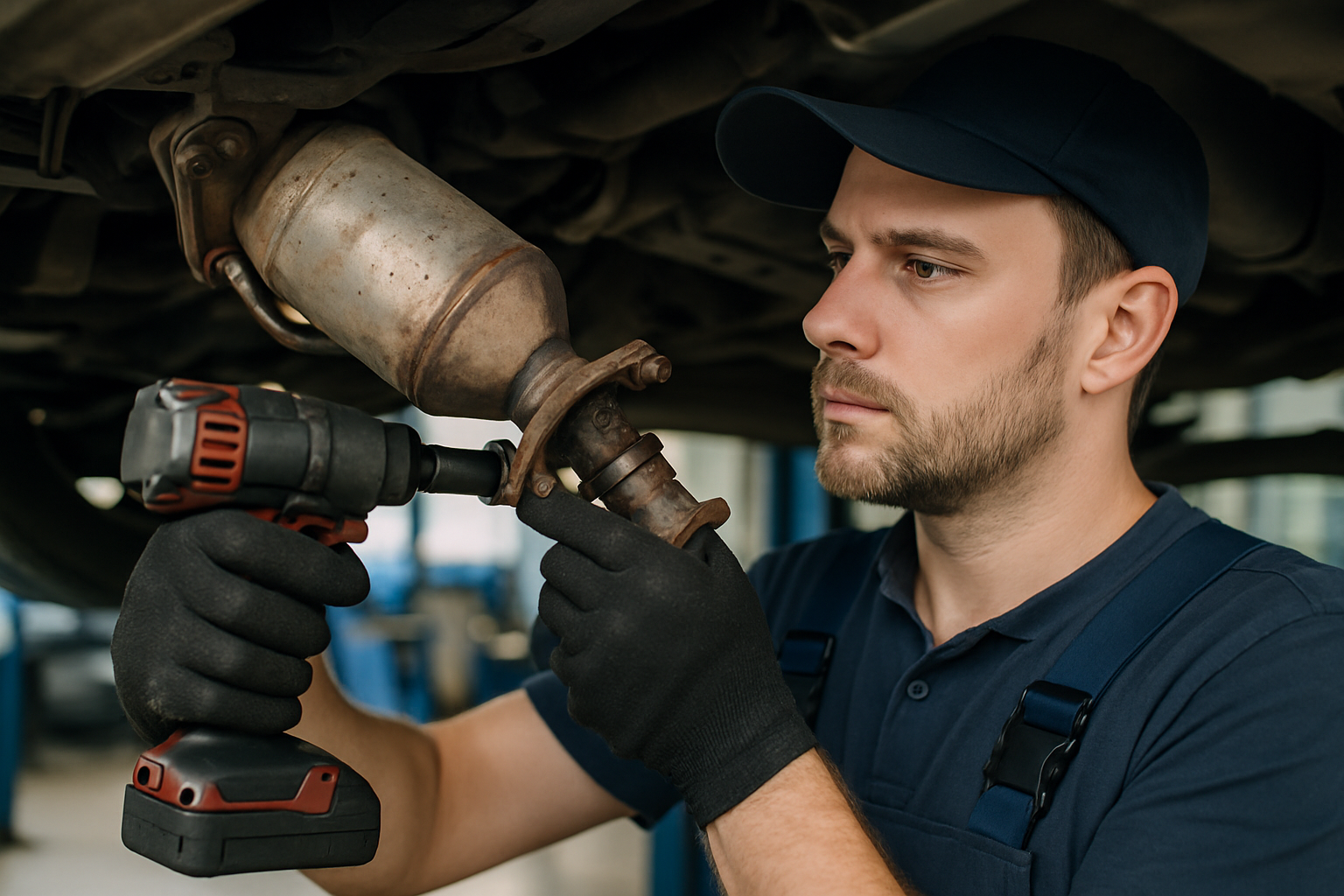
P0420 gets blamed on the catalytic converter constantly, and the converter is often the wrong answer. On Jettas, the more common cause is a degrading rear oxygen sensor that’s misreading converter efficiency, or an upstream issue (misfire, oil consumption) that damaged the catalyst over time. Replacing a catalytic converter without checking the O2 sensors and the upstream condition leads to a new converter with the same code lighting up again within weeks. We test both O2 sensors with live data and rule out misfire history before recommending any catalyst work.
P0301 Through P0304: Following the Misfire to the Cylinder
Cylinder-specific misfire codes point to a fuel or ignition problem at one cylinder, and the diagnostic move is to make the misfire move with the part. We swap the suspected ignition coil from the misfiring cylinder to a different cylinder and watch whether the misfire follows the coil or stays at the cylinder. If it follows the coil, the coil is bad. If it stays, the problem is fuel, compression, or injector related. The same logic works for spark plugs and injectors.
P0455: The Cheapest Code on the List
P0455 indicates a large EVAP system leak, and the cause is usually the gas cap or the purge valve. A pressure test of the EVAP system finds the leak in minutes. Owners sometimes drive for months with this code because the car runs fine, but the underlying leak can grow and eventually trigger emissions inspection failures.
Stop Resetting the Light and Start Fixing What’s Setting It
If your Jetta’s check engine light has been cleared once already this year in Fremont and it’s back on again, call Fremont Foreign Auto at (510) 793-6067. We’ll scan with VW-specific diagnostic software, run the right test for the code that logged, and chase the cause down rather than chase the code.