Mile 0–3,000: Protection Begins With Friction Control
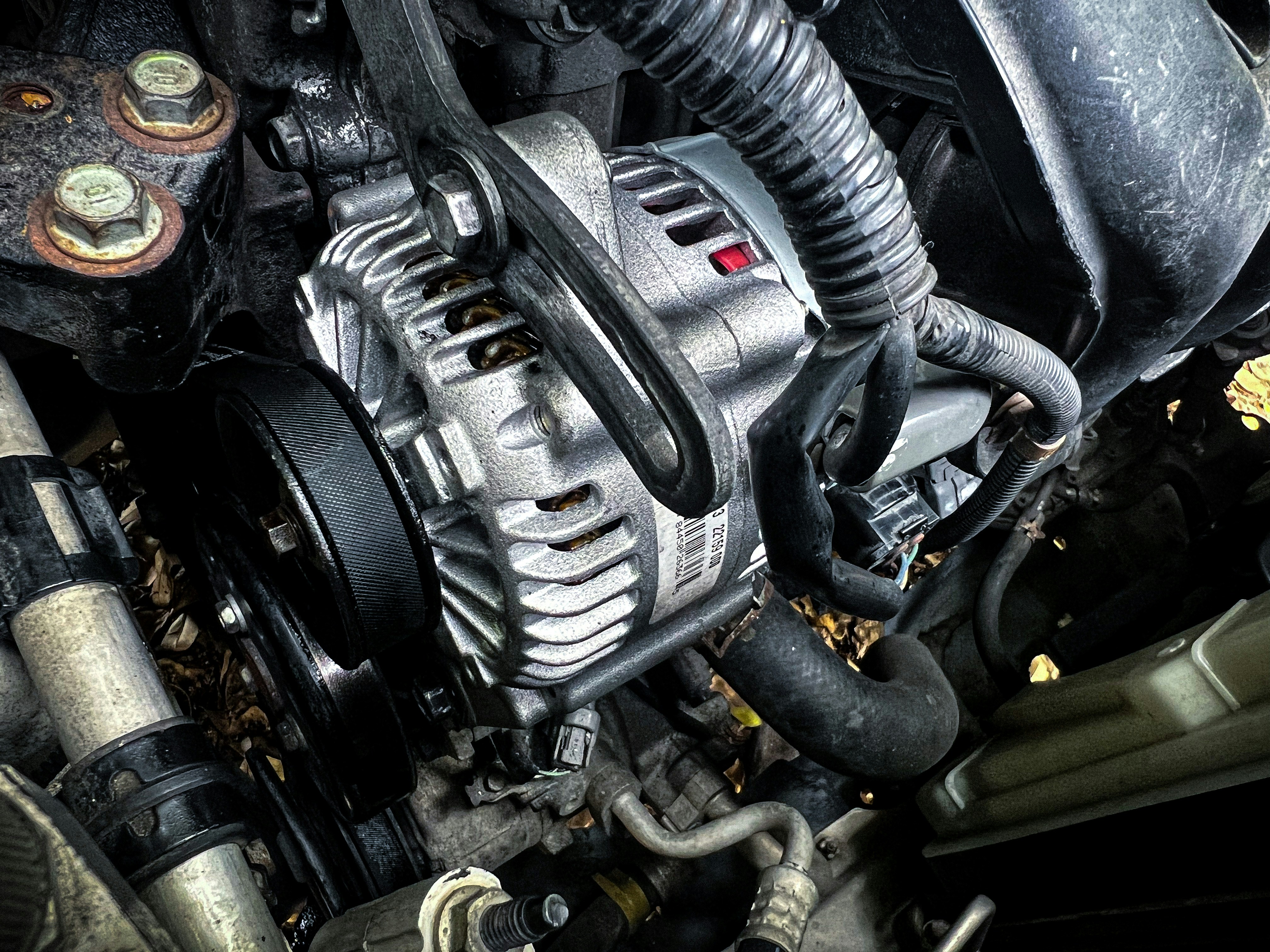
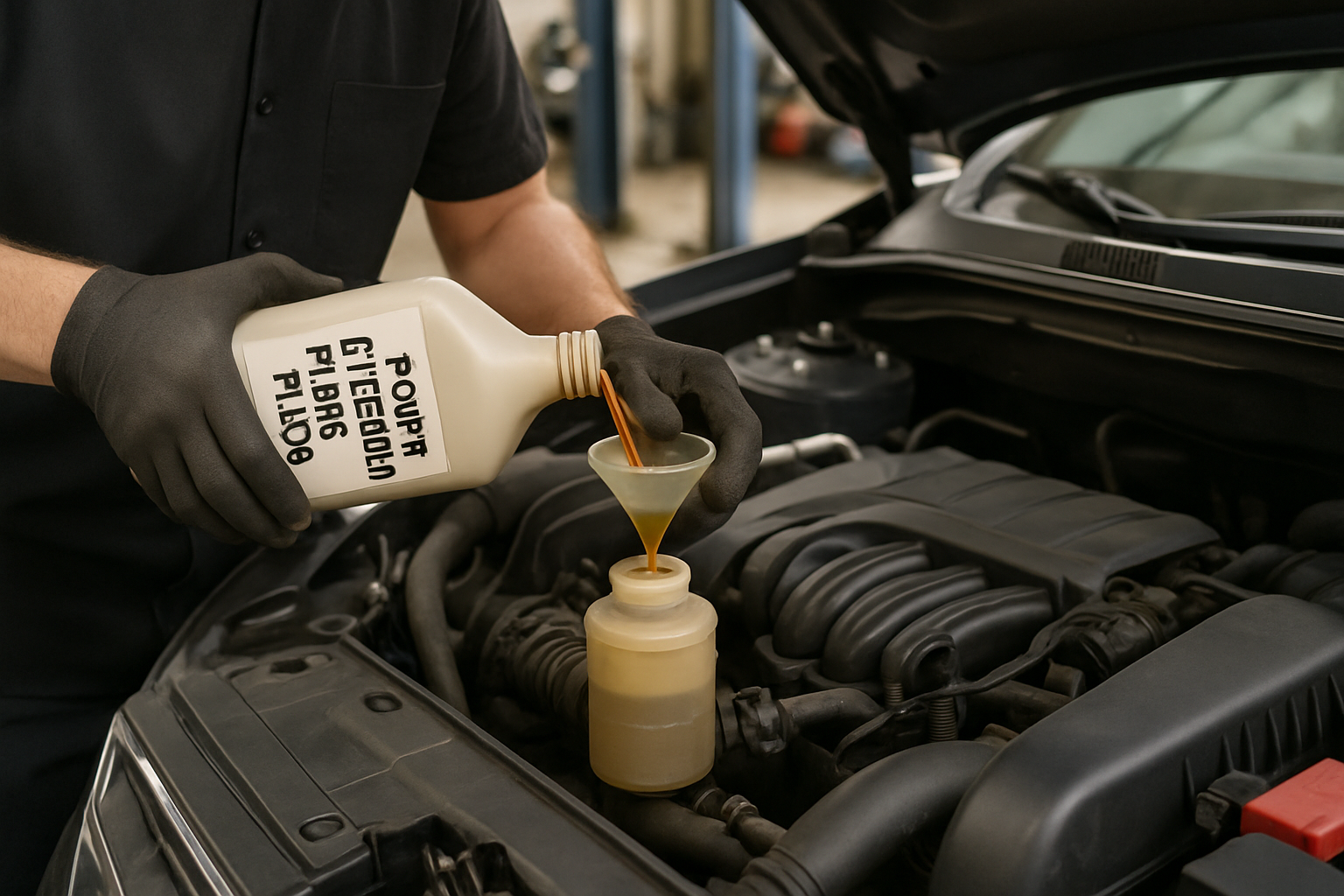
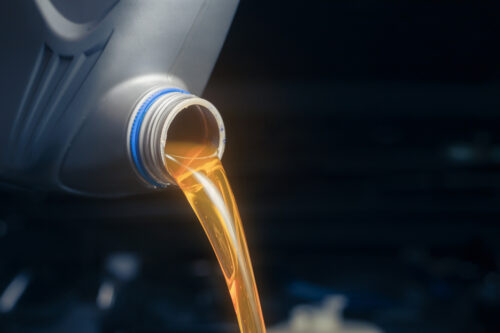
Fresh engine oil begins working the moment you start the ignition, coating critical surfaces with a film that separates metal components under load. In modern engines, such as the turbocharged 2.0L inline-four found in 2017–2022 Mercedes-Benz C300 models, internal tolerances are razor-tight and depend on full lubrication film strength to avoid bearing wear. The oil pump must deliver pressurized oil within seconds of startup, or friction begins damaging camshaft journals, lifters, and piston skirts with each rotation. During the first 3,000 miles, this oil remains stable, its viscosity intact, and its additives still resisting thermal breakdown. But the clock is ticking, and combustion byproducts are already contaminating that oil, slowly reducing its ability to protect under heat and pressure.
Mile 3,001–5,000: Heat and Shear Begin Breaking the Oil Down
As miles accumulate, the oil is subjected to repeated thermal cycles that change its chemical structure and viscosity under load. In vehicles like the 2018 BMW 330i or 2020 Audi A4, both of which feature direct injection and aggressive throttle mapping, oil temperatures frequently exceed 220°F under normal driving conditions. The friction modifiers and anti-wear additives begin breaking down under this heat, particularly during short-trip usage where oil never fully reaches operating temperature. As shearing forces build between fast-moving components, the oil loses molecular cohesion, reducing its ability to protect high-RPM valvetrain components like cam followers and hydraulic lifters. This stage is where Fremont drivers who idle frequently or use synthetic-blend oil often begin experiencing premature wear, whether they notice it or not.
Mile 5,001–7,500: Contaminants Begin Circulating Through Every Oil Passage
As combustion continues, fuel dilution, soot particles, and unburned hydrocarbons enter the crankcase and begin contaminating the oil with microscopic debris. In 2016–2019 Volkswagen and Mercedes engines, especially those with start-stop systems and high-pressure fuel rails, this contamination cycle is even more aggressive. The oil filter captures some debris, but once saturation reaches capacity, fine particles are recirculated through the bearings, turbocharger lines, and VVT (Variable Valve Timing) solenoids. This abrasive flow causes cylinder scoring, timing chain wear, and cam phaser hesitation during acceleration, failures that are difficult to detect until performance degrades significantly. By this stage, oil color has darkened significantly, yet most warning lights remain off, giving drivers a false sense of safety.
Mile 7,501–10,000: Sludge and Deposits Begin Forming in Critical Zones
Once additive packages are depleted and contamination has reached critical thresholds, oil begins to oxidize and thicken into sludge. In 2015–2020 models like the Toyota Camry, Honda Accord, and Volkswagen Jetta, which use narrow oil galleries and advanced solenoid-controlled valvetrains, sludge buildup restricts oil flow to camshafts, VTEC actuators, and turbo bearings. Heat pockets develop in the cylinder head, varnish coats oil control rings, and the engine begins to breathe poorly as crankcase pressure rises. Blow-by worsens, causing oil to bypass seals and enter the intake system, where it gums up intake valves on direct-injection platforms. Fremont drivers may now hear ticking on startup, feel slower throttle response, or notice minor oil consumption, but the damage has already started spreading internally.
Mile 10,001+: Engine Logic Begins Compensating for a System in Collapse
At this point, ECM (Engine Control Module) logic intervenes, adjusting fuel trims and timing curves to compensate for internal resistance and degraded oil pressure. The knock sensors may retard ignition advance due to detonation caused by low-octane fuel dilution and hot spots inside the combustion chamber. In late-model turbocharged vehicles, boost pressure drops slightly as the wastegate controller detects increased backpressure from oil-contaminated exhaust gas. Fuel economy declines, exhaust emissions rise, and in some cases, cam timing codes are stored but ignored due to sporadic check engine lights. Fremont Foreign Auto technicians see this stage frequently in vehicles whose owners assumed synthetic oil could safely last 10,000 miles without accounting for real-world variables like load, terrain, or engine age.
How Scheduled Oil Service Preserves Systems Beyond the Engine
Oil changes aren’t just about the crankshaft; they preserve every system that depends on lubrication to function properly. Hydraulic valve actuators, turbochargers, camshaft phasers, and even timing chain tensioners rely on clean, pressurized oil to perform consistently. When oil thickens or pressure drops, these subsystems fail out of sequence, creating phantom misfires, VVT instability, and even ABS module cross-talk caused by shared data loops. Modern ECUs rely on accurate timing data, stable throttle behavior, and clean fuel-air mixtures, all of which degrade as oil contamination increases. Fremont drivers often experience cascading issues across systems that seem unrelated but are, in fact, caused by something as basic as neglected oil service. Call us at (510) 793-6067 and schedule your oil service before your engine becomes one more victim of delayed maintenance disguised as convenience.