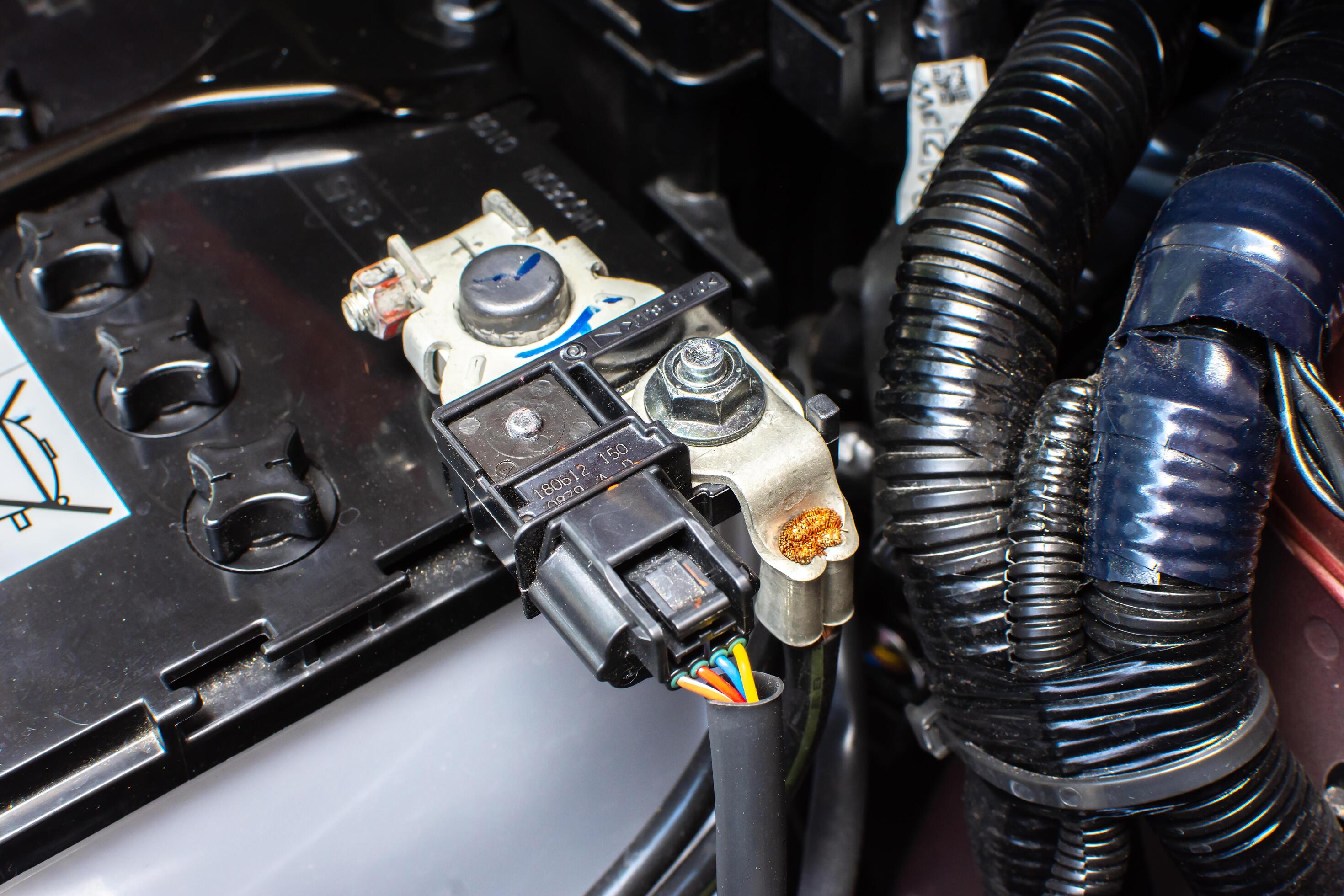
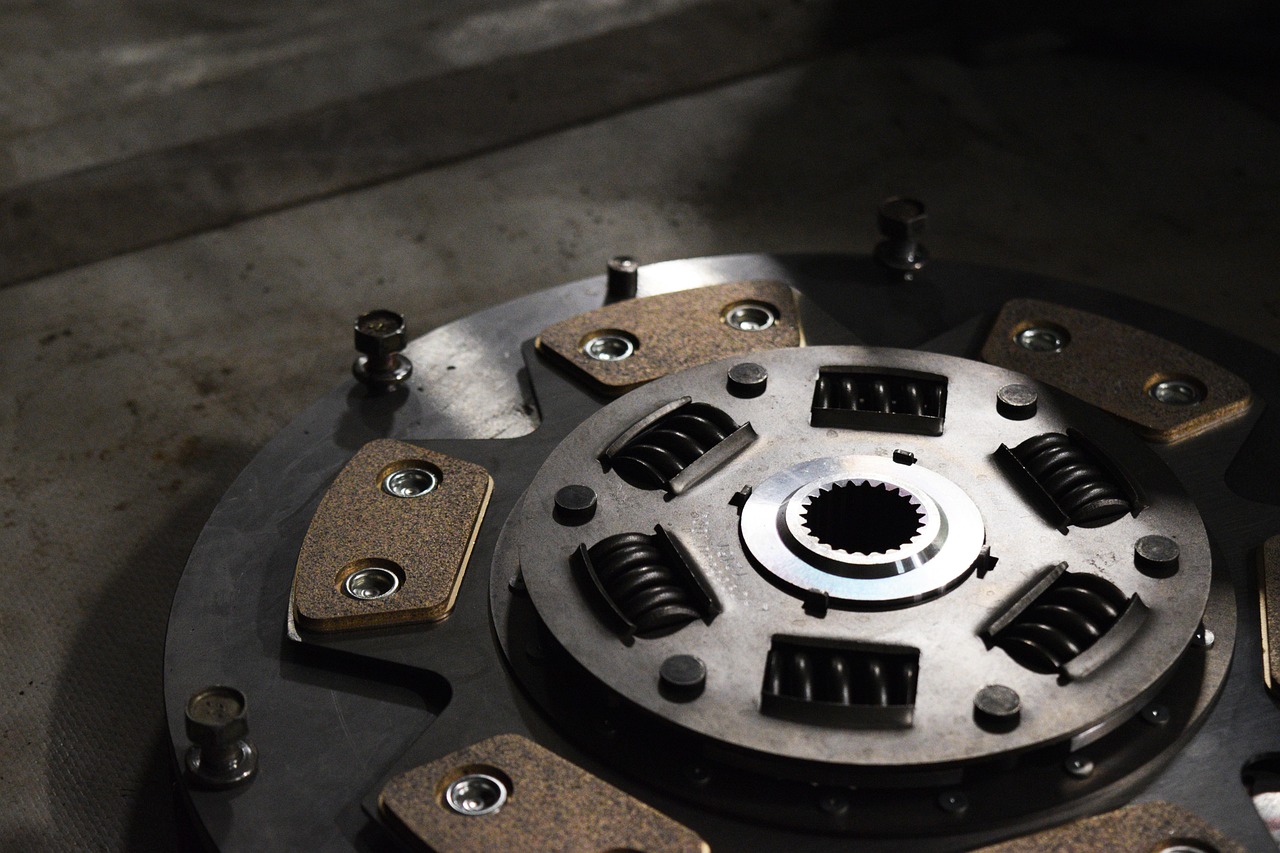
Your manual MINI Cooper should shift cleanly, whether you're navigating the streets of Newark or joining traffic on Interstate 880. If the clutch pedal suddenly feels soft, sticks near the floor, or refuses to disengage, a hydraulic problem may be developing. Ignoring the symptoms could leave you unable to change gears.
At Fremont Foreign Auto, we diagnose MINI Cooper clutch and transmission concerns from our Fremont shop, serving drivers throughout Newark and the East Bay. Our approach starts by determining whether the issue stems from hydraulic components or the clutch assembly itself.
How the MINI Clutch Hydraulic System Works
Pressing the clutch pedal moves a piston inside the master cylinder. Hydraulic pressure travels through a line to the slave cylinder, which operates the clutch release mechanism. This separates engine power from the transmission, allowing you to select another gear.
Many manual MINI models use brake fluid supplied from the reservoir. Component locations and service procedures vary by generation. Automatic-transmission models do not use this same pedal-operated system.
A Soft Pedal or One Stuck Near the Floor
Your clutch pedal should provide consistent resistance and return to its resting position after release. A spongy feel, shifting engagement point, or pedal remaining down may indicate trapped air, fluid leakage, or worn internal cylinder seals.
A slow leak can change pedal feel over several days, while a failed internal seal may cause a sudden change. Either way, pedal behavior provides an important clue, not a complete diagnosis.
A pedal problem does not automatically mean the clutch disc has worn out. We examine how the pedal responds before recommending major transmission work.
Difficulty Selecting First or Reverse
If your MINI grinds while entering reverse or resists first gear at a stop, the clutch may not be disengaging completely. Insufficient hydraulic pressure can keep the clutch partially engaged even with the pedal fully depressed.
A slipping clutch is different. When the engine revs higher without a corresponding increase in speed, friction-disc wear may be responsible. Identifying the distinction helps prevent unnecessary part replacements.
Fluid Leaks and Warning Signs
Fluid may collect near the clutch master cylinder by the pedal, along a hydraulic line, or around the slave cylinder near the transmission. Some leaks remain hidden until fluid levels fall or shifting becomes difficult.
Because the clutch may share a reservoir with the brakes, low fluid deserves prompt inspection. Never assume adding fluid permanently corrects the issue. If braking changes or the clutch will not disengage safely, arrange towing rather than driving.
What Happens During Diagnosis and Repair?
We inspect fluid level, pedal travel, visible leaks, and the hydraulic connections. Depending on the findings, we test the master cylinder, line, and slave cylinder for pressure loss or internal seal failure.
Repair may involve replacing a cylinder or a damaged line, followed by bleeding the system to remove air. We then verify pedal movement and gear selection. Bleeding alone will not fix a leaking component.
We also check for remaining hydraulic problems before returning your MINI. An unresolved leak or damaged connection may quickly bring back the same shifting difficulties, even after a successful cylinder replacement.
Schedule MINI Cooper Clutch Service Near Newark
Fremont Foreign Auto provides MINI Cooper clutch repair at 38623 Fremont Blvd., Suite 110, in Fremont.
If your manual MINI has a soft pedal, fluid leak, or trouble changing gears, call (510) 793-6067. We'll inspect the system, explain the findings, and recommend the repair needed for reliable shifting.